

2026 Top Glass Condiment Bottle Suppliers for Bulk Buyers
Bulk purchasing a Glass Condiment Bottle is about more than choosing a shape. The right supplier must deliver consistent capacity, dependable closures, and packaging that protects bottles during shipping. A jar may look sturdy under showroom lights, yet arrive with chipped rims or uneven threads. Those details matter.
Glass-packaging consultant Elena Brooks puts the buying principle this way: “A reliable bottle is proven on the filling line, not just in the catalog.” Buyers should compare samples, request technical drawings, and confirm neck-finish compatibility before approving a large order. Ask how suppliers manage quality checks, lead times, replacement stock, and changes between production batches. Get the answers in writing.
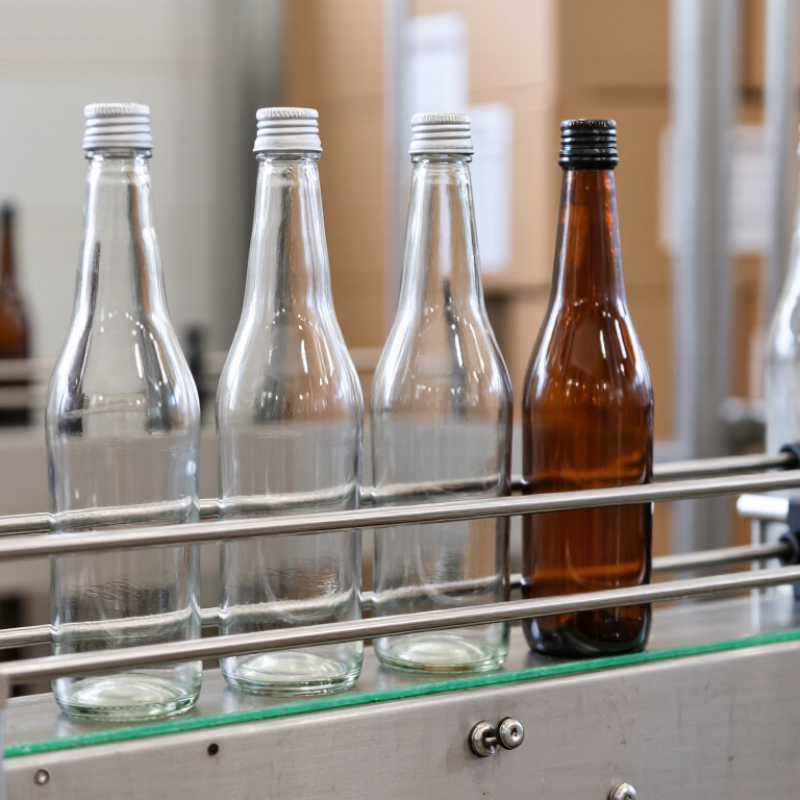
Small details count. A narrow opening can slow filling. A heavy base may raise freight costs. Clear glass shows the condiment’s color, while amber glass can offer added light protection for some products. Neither option fits every use. Match bottle size and closure to the product, filling method, storage needs, and shelf presentation. Check actual samples with your own equipment whenever possible.
This guide introduces leading suppliers for bulk buyers in 2026 and the questions worth asking before a purchase. Supplier capabilities can vary by region and order volume, so verify current specifications directly. A polished catalog is useful, but it is not proof of production consistency. Be cautious, too: sample performance may not represent every batch. That gap deserves a closer look.
Define Bulk Bottle Specifications: Capacity, Finish, Color, and Closure
2026 Top Glass Condiment Bottle Suppliers for Bulk Buyers
Define Bulk Bottle Specifications: Capacity, Finish, Color, and Closure
Before requesting bulk quotes, define the bottle’s usable capacity and intended fill level. A 250 ml bottle may suit table service, while a larger format can reduce refill frequency in busy kitchens. Check dimensions against shelves, cartons, and filling equipment. Small details matter. Specify the neck finish—the opening’s size and thread—so the closure fits securely and dispensing works as intended. Choose clear, amber, or colored glass based on product visibility and light sensitivity, then confirm samples match expectations.
Closures deserve practical testing. A pourer, screw cap, or flip-top can change flow, sealing, and ease of cleaning. Ask suppliers for drawings, material details, and sample bottles before approving a production run. Test with your actual condiment: check pouring speed, leakage when tilted, and whether the cap remains secure after repeated use. One overlooked issue is label space; a curved bottle can leave less room than its dimensions suggest. Test before ordering.
Verify Food-Contact Compliance, Quality Systems, and Batch Traceability
For bulk buyers, a glass condiment bottle is more than its shape and capacity. Verify that food-contact documentation matches the exact bottle, coating, cap, and liner you plan to order. Requirements can vary by destination market, so request relevant declarations and test reports, with dates and product references. A tidy certificate folder feels reassuring. Still, it does not prove that the documents cover your specification.
Tips: Ask for the bottle’s material details, inspection criteria, and current quality-system records. Request a sample from the production line, not only a polished showroom sample. Check the rim, threads, and base for chips, uneven finish, or wobble.
Traceability matters when a defect appears after delivery. Ask how each batch is identified and whether records connect its raw materials, production date, inspection results, and shipment. Confirm how long records are kept and how quickly the supplier can isolate affected lots. If possible, review a sample batch record before placing a large order. One detail buyers sometimes overlook: labels and carton codes must remain readable after stacking and handling. Test that in your own warehouse; assumptions can fail.
2026 Top Glass Condiment Bottle Suppliers for Bulk Buyers
Verify food-contact compliance, quality systems, and batch traceability before placing a bulk order.
The bars count suggested evidence checks per due-diligence category, not supplier ratings or market-survey results. Confirm applicable food-contact rules for the destination market and intended use; request supporting records and verify that lot codes link production batches to inspection and shipment records.
Compare Supplier Capacity, Minimum Orders, Lead Times, and Regional Coverage
For bulk buyers, compare usable monthly capacity, not a supplier’s maximum furnace output. Ask how many bottles are already allocated, whether the quoted volume includes decoration, and what happens if demand rises. FEVE’s industry profile reports about 160 glass-packaging plants across 23 European countries, illustrating why regional coverage can affect backup options and freight distance. But a large network does not guarantee open production slots. Ask for evidence.
Minimum orders often change with bottle shape, color, and printing or coating requirements. Request separate MOQs for standard and custom stock, plus a sample approval schedule. Confirm lead times in writing for tooling, production, inspection, and shipping; these are different milestones. A quoted factory lead time may exclude port delays. A spreadsheet can still mislead. Regional cullet availability and transport can also affect cost and supply plans. The U.S. EPA’s 2018 materials-management report recorded a 31.3% recycling rate for glass containers and packaging in the United States; that figure is dated and does not predict recycled-glass availability at any particular factory. Compare suppliers using the same bottle specification, order quantity, delivery location, and timing assumptions.
| Supplier Profile | Primary Region | Indicative Monthly Capacity | Typical Minimum Order | Indicative Lead Time | Common Bottle Options | Regional Coverage | Best Fit for Bulk Buyers |
|---|---|---|---|---|---|---|---|
| High-volume, standard-mold producer | East Asia | Approximately 1–5 million bottles | About 20,000–50,000 units per design for production orders | Stock items: about 2–4 weeks; production orders: about 6–10 weeks | Common round and square bottles; clear, amber, or green glass; standard screw or lug finishes | Asia-Pacific, North America, Europe, and the Middle East through export channels | Large, repeat orders using established bottle shapes |
| Flexible mid-volume producer | South Asia | Approximately 300,000–1.5 million bottles | About 10,000–30,000 units per design, depending on size and decoration | Production orders: about 6–12 weeks; allow extra time for export transit | Standard condiment bottles, several neck finishes, screen printing, and basic color options | South Asia, the Gulf region, Africa, and selected European markets | Buyers balancing order flexibility with export-scale production |
| Regional stock-and-distribution supplier | North America | Varies by stocked inventory; often sourced from multiple manufacturing lines | Commonly 1–5 pallets for stocked items; custom runs typically require larger quantities | Stock items: about 1–3 weeks; custom production: about 8–14 weeks | Standard sauce, oil, vinegar, and dressing bottles with commonly available closures | United States, Canada, and nearby markets | Buyers prioritizing shorter replenishment times and regional logistics |
| Specialty and custom-design producer | Europe | Approximately 200,000–1 million bottles, depending on mold and production schedule | About 15,000–40,000 units for standard designs; custom molds may require higher commitments | Standard production: about 8–14 weeks; new mold development adds design and approval time | Premium shapes, embossing, color options, and selected recycled-glass specifications | Europe, the United Kingdom, and export markets subject to freight and compliance requirements | Premium or differentiated products with planned, recurring purchase schedules |
| Small-batch and specialty supplier | Regional suppliers across multiple markets | Often below 300,000 bottles per month or allocated from shared production | About 2,000–10,000 units for available stock; custom production may have higher minimums | Stock items: about 2–6 weeks; made-to-order items: about 8–16 weeks | Short runs, unusual shapes, limited decoration, and mixed-size assortment options | Primarily domestic or neighboring markets; export availability varies | Trial launches, seasonal products, and buyers testing demand before scaling |
Planning note: These are indicative industry sourcing ranges, not verified figures or offers from named suppliers. Actual capacity, minimum order quantities, production schedules, freight times, and regional availability vary by bottle size, glass color, decoration, tooling, order mix, and current factory utilization. Confirm specifications and written quotations directly before purchasing.
Assess Sustainability Against FEVE’s 80.1% EU Glass Collection Rate in 2022
For bulk buyers, sustainability claims need a useful benchmark. FEVE reported an 80.1% glass collection rate in the EU in 2022. This indicates that much glass packaging entered collection systems, not that every bottle became a new bottle. Collection and recycling are different steps. That distinction matters.
Ask suppliers for details beyond the headline rate. What percentage of a bottle’s glass is recycled content? Can the supplier provide documentation for that figure? Also check whether the bottle’s color, shape, and finish fit the recycling streams in your main sales markets. A heavy, decorative bottle may look premium, yet require more material and transport weight. Small design choices add up across a large order.
Look for practical evidence: recycled-content specifications, bottle weight, packaging details, and information about production sites. Request samples and inspect them for consistent dimensions and damage resistance before approving volume orders. It is tempting to treat EU collection data as a universal result. It is not. Collection access and sorting outcomes vary by place, and supplier data may not answer every question. I would still ask for clearer figures. Sustainability comparisons are imperfect, but transparent, comparable details make them more useful.
Rank 2026 Suppliers by Quality, Total Cost, Logistics, and Supply Risk
For a 2026 bulk-buying shortlist, rank glass condiment bottle suppliers on four weighted measures: quality, landed cost, logistics, and supply risk. Quality checks should cover neck-finish dimensions, wall thickness, leak performance, and breakage in transit. Ask for recent inspection records and sample bottles from the production line, not only polished showroom samples. The European Container Glass Federation reported an 80.1% glass packaging recycling rate in Europe for 2021. That regional figure makes recycled-content capacity worth checking, but it does not prove a supplier’s actual cullet share or consistency. Verify both in writing. Details matter.
Compare total cost per usable bottle, including tooling, packing, freight, duties, and expected rejects. A low unit quote can lose its appeal when pallets arrive chipped or delivery windows slip. For logistics, the World Bank’s 2023 Logistics Performance Index evaluates customs, infrastructure, shipment arrangements, logistics competence, tracking, and timeliness across 139 economies. Use those dimensions to assess the supplier’s shipping lanes and delivery plan, then request recent on-time records. For supply risk, check furnace locations, backup production capacity, glass-color options, and dependence on a single raw-material source. Glass breaks. Freight matters. One awkward gap in the scorecard: published reports rarely reveal factory-level failure rates, so buyers should validate claims with trial orders and documented corrective actions.

