Why Buy Ethically Sourced Butterfly Specimens?
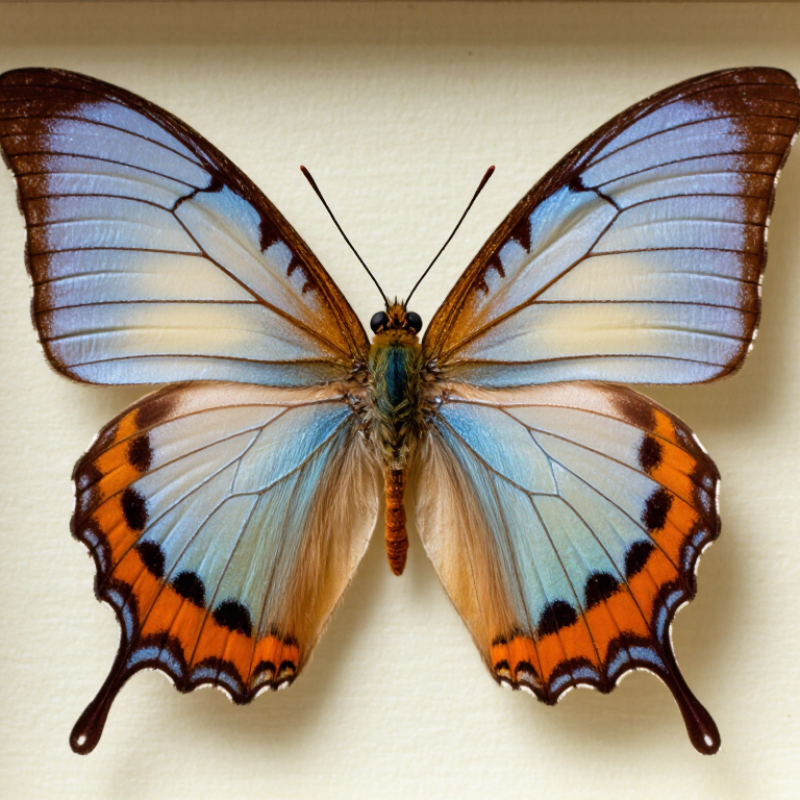
A Butterfly Specimen can reveal the delicate structure of wings, scales, and antennae. Its value, however, depends on more than appearance. The source matters. Ethical sourcing means asking how the specimen was obtained and whether its origin can be documented. It also means respecting conservation needs and following applicable rules in the place of sale and collection.
A trustworthy seller should provide clear identification and, where available, information about the specimen’s origin, collection method, and relevant permits. Ask questions before buying. Keep the answers. Labels prove little. The details matter. For collectors, reliable records make it easier to understand what they own and share accurate information with others. For classrooms and natural-history displays, a well-prepared specimen can support close observation without encouraging harm to wild populations. Still, “ethically sourced” is not a magic phrase. Records may be incomplete, and a polished display cannot prove a responsible origin. That uncertainty deserves attention. Buying carefully means checking claims, choosing transparent sellers, and accepting that some questions may remain unanswered. The goal is not simply to acquire a beautiful object. It is to appreciate butterflies while treating their habitats and the evidence behind each specimen with respect.
What Ethical Sourcing Means for Butterfly Specimens
What does ethical sourcing mean for butterfly specimens? It means knowing where a specimen came from and how it was obtained. A responsible seller should explain whether it was captive-reared, collected, or found naturally deceased. Clear records can help buyers check the species name, source details, and collection practices. These details matter because careless collection may disturb local populations or damage fragile habitat. Ethical sourcing also means avoiding threatened species and handling specimens carefully, rather than treating damaged wings as disposable.
Tips: Ask for the scientific name and a clear sourcing statement. Request documentation when available. Check whether the seller distinguishes captive-reared specimens from wild-collected ones. If answers are vague, pause. Ask one more question.
Ethical sourcing is more than a label. Look for consistent descriptions and specific information about origin and handling. Claims of low environmental impact should come with an explanation, not just reassuring words. Verification is not always simple, and a neat certificate cannot answer every question. I would still want to know how the source was checked. A little uncertainty deserves honest mention.
How Responsible Collection and Breeding Practices Are Assessed
Why Buy Ethically Sourced Butterfly Specimens?
Responsible sourcing is assessed through more than a supplier’s assurance. Ask for the species’ scientific name, collection location, date, and a clear account of how it was obtained. For captive-bred specimens, records should identify breeding stock and document successive generations. Consistent records help reviewers distinguish breeding claims from unsupported labels. Paperwork is not proof by itself.
Collection pressure also needs context. The European Environment Agency’s grassland butterfly indicator recorded a 36% decline between 1991 and 2018 across 17 countries. This indicator tracks populations, not specimen trade, so it cannot show that collecting caused the decline. It does underline why habitat and population status belong in a sourcing assessment. Reviewers can also check whether collection limits are evidence-based, whether breeding avoids repeated removal from wild populations, and whether handling and storage minimize damage. Small details matter: a dated ledger, intact wings, and traceable stock. Still, records can be incomplete. That deserves scrutiny.
Tips: Request traceable records, not just a “captive-bred” label. Check scientific names against current references, and ask how population impacts are assessed. If answers remain vague, pause.
How Ethical Sourcing Can Support Butterfly Conservation
Ethically sourced butterfly specimens can support conservation when their origins are clear and their trade benefits living habitats. A responsible supplier should explain whether specimens were captive-reared or collected under appropriate permits, and provide credible sourcing records. Vague assurances are not enough.
The conservation link can be practical. Income from carefully managed, legal collection may give local communities a reason to protect flowering meadows, forest edges, and host plants rather than clear them. Some projects also support habitat surveys or environmental education. A butterfly’s life cycle depends on more than a pretty patch of flowers; caterpillars need specific food plants, and adults need shelter and nectar through the season. Small details matter.
Still, ethical labels are not proof by themselves. Records can be incomplete, and a sale does not automatically fund conservation. Buyers can ask where a specimen came from, how it was obtained, and what conservation work the purchase supports. I would treat unclear answers as a reason to pause, not as evidence of wrongdoing. Even well-intentioned choices deserve scrutiny. The goal is not simply to own a specimen, but to encourage practices that leave habitats—and the species relying on them—better protected.
Why Buy Ethically Sourced Butterfly Specimens? — How Ethical Sourcing Can Support Butterfly Conservation
| Sourcing and conservation dimension | What responsible sourcing looks like | Potential conservation benefit | What to check or keep in mind |
|---|---|---|---|
| Captive-bred specimens | The seller can identify the species and provide credible records showing that the specimens were bred in captivity. | Where breeding is genuine and well managed, it can provide specimens without collecting those individuals from wild populations. | “Captive-bred” should be supported by traceable documentation. It does not, by itself, establish that the species is legally traded or that the breeding operation benefits conservation. |
| Legal, documented collection | Collection and sale comply with the applicable national laws, collection rules, and export requirements. | Following local rules helps avoid unauthorized collection and can support oversight of wildlife trade. | Legal requirements differ by country and species. Ask for the origin and relevant permits or other required records rather than relying on a general claim of legality. |
| Species conservation status | The species is identified accurately, and its current conservation information is checked using reliable sources. | Checking status helps buyers make more informed choices and avoid treating all butterfly species as equally common or equally at risk. | Conservation status can vary by species and may change as assessments are updated. An IUCN Red List assessment is conservation information, not a trade permit. |
| CITES-listed species | For a species listed in the CITES Appendices, the required CITES documents are obtained for applicable international trade. | CITES controls international trade in listed species to help ensure that trade does not threaten their survival. | Not all butterfly species are CITES-listed. Check the species and the rules for the countries involved; a CITES document does not replace other applicable legal requirements. |
| Habitat and local communities | The source can explain where specimens come from and how sourcing relates to local collection practices or habitat stewardship. | When responsibly structured, wildlife-related income may give communities an incentive to maintain natural habitats. | This benefit is not automatic. It depends on local conditions, fair arrangements, sustainable practices, and evidence that the activity does not damage populations or habitats. |
| Traceability and seller transparency | Records connect the specimen to its species identification, source, and relevant legal or breeding documentation. | Traceability makes it easier for buyers and authorities to distinguish documented specimens from specimens of unknown or questionable origin. | Ask for specific, verifiable information. Vague labels such as “ethical,” “sustainable,” or “conservation-friendly” are not proof on their own. |
Conservation outcomes depend on the species, source, location, and management practices. Useful references for checking claims include the CITES Appendices, the IUCN Red List of Threatened Species, and the wildlife-trade rules of the countries of origin and destination.
Why Traceability Matters to Collectors and Researchers
Why Buy Ethically Sourced Butterfly Specimens?
Why Traceability Matters to Collectors and Researchers
A butterfly’s color is striking; its collection history is less visible. Traceability connects a specimen to its collection date, locality, collector, and documented source. Those details help researchers assess records and let collectors ask informed questions. A small paper label can matter as much as the specimen itself. That matters.
The IPBES Global Assessment (2019) estimated that around one million plant and animal species face extinction risk. That broad finding is not a measure of butterfly trade, but it underscores why reliable records matter. When a specimen has clear provenance, researchers can compare observations with other evidence and avoid treating uncertain data as fact. A label alone is not proof. Records should be consistent and verifiable.
Digital infrastructure also shows the value of documented origins. GBIF reported more than 2.5 billion species-occurrence records available through its network in 2023, supporting research that depends on usable location data. For collectors, a responsible record might include a precise locality, date, source documentation, and any relevant permits or transfer records. Keep the paperwork with the specimen. Details can be incomplete, and old labels may be hard to read; acknowledging that uncertainty is better than guessing.
How to Choose a Responsible Butterfly Specimen Supplier
A responsible butterfly specimen supplier should be able to explain where each specimen came from and how it was obtained. Look for clear species identification, origin details, and collection or breeding information. Good records matter. They help buyers assess whether sourcing is traceable and consistent with applicable wildlife rules. If answers stay vague, pause before ordering.
Examine the specimen and its documentation together. A label showing the species, source, and relevant dates is more useful than a polished sales description. Ask whether the supplier can provide supporting records and explain any limits on what they know. Responsible businesses should not promise that every specimen has zero impact; they should describe their practices honestly. No checklist is perfect. I would also consider practical handling: sturdy packaging, wings protected from rubbing, and storage guidance that prevents moisture damage. These small details suggest care, though they cannot prove ethical sourcing on their own. Compare the supplier’s claims with independent conservation information, especially when a species is uncommon. If something feels unclear, asking one more question is reasonable.
Why Buy Ethically Sourced Butterfly Specimens? — How to Choose a Responsible Butterfly Specimen Supplier
Check a specimen’s legal status and provenance before buying. This chart shows the CITES listing level for selected butterfly species; a listing is a trade-control measure, not proof that a particular specimen was responsibly sourced.
Ask suppliers for clear species identification, origin details, and any permits required for the countries involved. Confirm current requirements with the relevant authorities.
Sources: CITES Checklist and CITES Appendices. Appendix I is shown as 2 and Appendix II as 1 solely to distinguish the two listing levels.

