Best Hair Oils for Healthy Hair Growth Tips and Benefits?
Hair Oils play a crucial role in promoting healthy hair growth. According to the International Journal of Trichology, many women and men experience hair thinning due to various factors. Using hair oils can be an effective strategy to nourish and strengthen hair from the roots. Market research indicates that the global hair oil market is expected to reach $1.2 billion by 2025, highlighting the increasing consumer interest in natural hair care solutions.
Different hair oils offer unique benefits. For instance, argan oil is rich in vitamin E, which enhances shine and hydration. Coconut oil penetrates the hair shaft, reducing protein loss. A study published in the Journal of Cosmetic Dermatology found that 80% of participants reported improved hair texture after using specific formulations of hair oils. However, not every oil works for everyone. Finding the right oil for your hair type can be a trial and error process.
Incorporating hair oils into your routine requires intention. The key is to apply them correctly and in moderation. Overdoing it can lead to buildup and greasy hair. While many experts advocate for the use of hair oils, individual responses vary greatly. Therefore, it’s essential to listen to your hair and adjust your regimen accordingly.
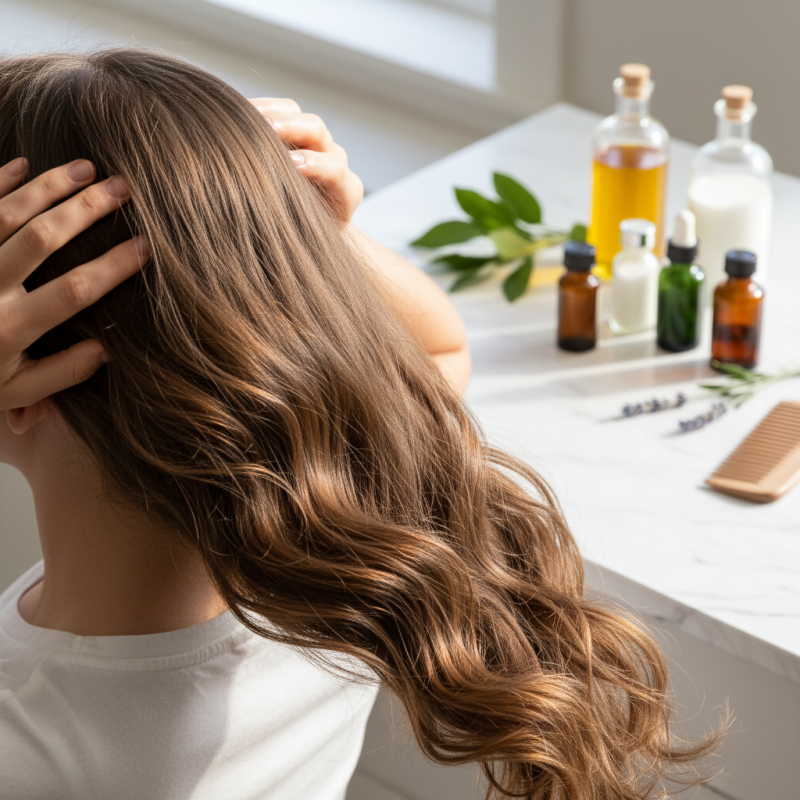
Benefits of Using Hair Oils for Healthy Hair Growth
Using hair oils can significantly enhance hair health and promote growth. These natural oils penetrate the hair shaft, nourishing from within. They provide essential fatty acids and vitamins, crucial for strengthening hair follicles. Massaging oils into the scalp stimulates blood circulation, which in turn encourages hair growth.
Coconut oil, for instance, is rich in lauric acid. It helps to reduce protein loss in hair strands. Jojoba oil mimics the scalp's natural sebum, effectively moisturizing without clogging pores. Regular use of these oils can lead to shinier, healthier-looking hair. However, overuse can cause greasiness, so finding the right balance is key.
Incorporating hair oils into your routine may require patience. Visible results often take time. It's also essential to choose oils based on your hair type and needs. Experimenting may lead to some trial and error. This personal journey can deepen your understanding of what works for you.
Types of Hair Oils: Choosing the Right One for Your Hair Type
Choosing the right hair oil can make a significant difference in achieving healthy hair. Different hair types require specific oils to address their unique needs. For example, if you have fine hair, look for lightweight oils like argan or jojoba. They nourish without weighing your hair down.
For dry or curly hair, heavier oils like castor or coconut can provide essential moisture. These oils penetrate deeply, helping to tame frizz and restore shine. Regular use can lead to noticeable improvements. However, some may find that heavy oils can build up. It's important to wash your hair regularly to prevent this.
Consider your hair’s texture and condition before selecting an oil. You might need to try several options to find the best match. Be patient and observe how your hair reacts. This can lead to unexpected discoveries about what your hair truly loves.
How to Apply Hair Oils for Maximum Advantage
Applying hair oils effectively can significantly enhance your hair's health and growth. Start by choosing the right oil that suits your hair type and needs. For dry hair, consider oils rich in moisture. Lighter oils work for fine hair, whereas thicker oils benefit coarse hair. Warm the oil slightly before application to improve absorption. This simple step makes a difference.
When applying, part your hair into sections. Use your fingertips to massage the oil into your scalp. This not only nourishes hair follicles but also stimulates blood circulation. Focus on areas that feel dry or damaged. Massage for at least five minutes, enjoying the sensory experience. Be mindful of over-applying; too much can lead to greasiness.
Leave the oil in for at least an hour. For deeper penetration, consider an overnight treatment. Protect your pillow with a towel. Enjoy the process, but don't rush it. You may need to experiment with different oils and application techniques. Learning takes time. Each hair type responds differently, so be patient. Regular use will yield results, but perfection is a journey. Adjust your routine as needed, based on your hair's changing needs.
Common Mistakes to Avoid When Using Hair Oils
Using hair oils can promote healthy growth, but common mistakes can hinder results. Many people apply oils without proper cleansing. This can lead to product buildup. Always start with a clean scalp. Use a gentle shampoo before applying oil. This ensures your hair absorbs nutrients effectively.
Another mistake is using too much oil. While it may seem beneficial, excess can weigh hair down. Just a few drops can make a difference. Focus on the scalp and ends, as these areas need the most care. It may take time to find the right amount for your hair type.
When using hair oils, consistency is key. Many abandon their routine too soon. Incorporate oil treatments into your weekly regimen for noticeable results. Consider using oils before bedtime for overnight nourishment. This method allows for deeper penetration. Be patient and monitor how your hair responds.
Additional Tips for Promoting Healthy Hair Growth
Promoting healthy hair growth requires more than just oils. A holistic approach yields the best results. Start by maintaining a balanced diet rich in vitamins and minerals. Foods like nuts, spinach, and eggs are excellent choices. They provide essential nutrients that support hair health and growth. Hydration is equally important. Drink plenty of water throughout the day. Dehydration can lead to brittle hair.
Regular scalp massages can stimulate blood flow. This encourages hair follicles to become active. Use your fingertips to gently massage in circular motions. This simple practice can significantly enhance the effectiveness of your hair oils. Additionally, consider limiting heat styling and chemical treatments. These can weaken hair and lead to breakage.
Mind your stress levels too. Chronic stress can cause hair thinning. Incorporate relaxation techniques like yoga or meditation into your routine. Not only will this benefit your hair, but it will also improve your overall well-being. Paying attention to these aspects creates a supportive environment for hair growth, fostering healthier strands in the long run.
Best Hair Oils for Healthy Hair Growth