What Are the Best Pop Up Canopy Types in 2026?
Outdoor events rarely go exactly to plan. A Pop Up Canopy can provide shade for a market stall, a family picnic, or a weekend sports team, but the right style depends on how and where it will be used. In 2026, shoppers can compare compact models, heavier-duty frames, and designs with adjustable legs or removable sidewalls. Each solves a different problem. Some prioritize quick setup; others trade portability for a sturdier feel.
There is no universal best choice. A lightweight canopy may be easy to carry from a car, yet feel less reassuring in a breeze. A stronger frame can suit repeated use, but add weight to every trip. Small details matter: check the packed size, frame material, canopy fabric, included parts, and the maker’s setup and care instructions. Look closely at how the corners connect. That is where a rushed setup can become frustrating.
This guide compares common Pop Up Canopy types and explains what each is suited for. It also considers practical factors such as transport, setup effort, coverage, and expected use. Weather deserves honest attention. No portable canopy should be treated as a substitute for sound judgment in changing conditions. Product ratings and features vary, so verify specifications before buying. A useful choice is not always the biggest or most expensive one. It is the canopy you can handle comfortably and use as intended. Some trade-offs remain. That is worth remembering.
How Pop-Up Canopies Are Classified by Design and Structure
What Are the Best Pop Up Canopy Types in 2026?
How Pop-Up Canopies Are Classified by Design and Structure
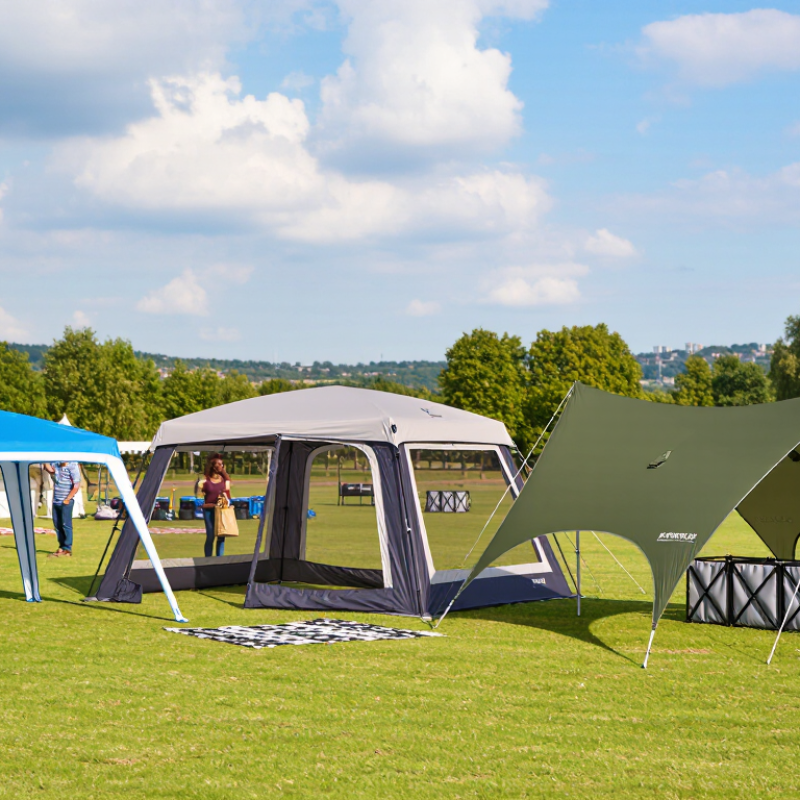
Pop-up canopies are best compared by frame geometry, roof shape, and intended setup. The Outdoor Industry Association’s 2024 Outdoor Participation Trends Report counted 175.8 million U.S. participants in outdoor recreation in 2023. That figure signals broad demand for outdoor gear, but it does not measure canopy sales. For shoppers, structure matters more than a trend line. A straight-leg frame gives a square footprint; slant-leg frames usually need less space but cover less ground.
Frame materials create another useful distinction. Steel frames are often heavier, while aluminum frames are easier to carry and may cost more. Truss-style braces help support the roof, but joints still need regular inspection. Roofs may be vented or solid. Vents can release trapped heat; solid tops offer more continuous shade. Sidewalls add wind resistance, so they are not automatically an upgrade. Small details matter.
Tips: Match the canopy’s footprint to the actual site, not just the table beneath it. Check packed weight, frame locking points, and replacement-part availability before buying. A vented roof can feel cooler on a still afternoon, but it will not make a poorly secured frame storm-proof. There is no perfect type—some trade-off is almost always hiding in the setup.
Key Frame Types: Steel, Aluminum, and Hybrid Construction
In 2026, a pop-up canopy’s frame affects how easily you can carry, set up, and maintain it. Steel frames are often chosen for their sturdy feel and typically lower cost. They suit frequent use in one location, such as a backyard or market stall. The trade-off is weight: lifting a damp canopy into a vehicle can feel like more work than expected. That matters.
Aluminum frames are lighter and easier to transport between events. They can be a practical choice for campers, vendors, or anyone setting up alone. However, “aluminum” does not guarantee a particular level of strength. Tube thickness, joint design, and frame span all influence stability. A lightweight frame may flex under pressure, so check its stated use and follow its setup guidance. Not always simple.
Hybrid construction combines materials, commonly using steel in some load-bearing areas and aluminum in others. The goal is to balance strength, weight, and price, though designs vary. Look closely at which parts use each material; the label alone says little about durability. Check the feet, locking joints, and replacement-part availability, too. On a breezy day, secure anchoring matters as much as frame choice. There is no perfect frame for every outing, and comparing them can be less tidy than a product chart suggests.
Canopy Materials, Weather Resistance, and Protection Features
Pop-up canopy choices in 2026 still come down to the frame, fabric, and conditions you expect to face. Aluminum frames are lighter to carry, while steel frames often feel sturdier but add weight. Neither material makes a canopy storm-proof. Check the frame joints and locking points; these small parts can loosen with repeated setup. Not quite indestructible.
Fabric labels deserve a close look. Polyester is common because it balances weight and durability, but coatings and seam construction affect how well it sheds rain. A water-resistant canopy may handle a brief shower, not hours of heavy rain. Look for clear information about water resistance and ultraviolet protection rather than relying on words like “weatherproof.” Small details matter. Dark fabric can also make the sheltered area warmer, especially when air cannot circulate.
For windy locations, secure each leg with suitable weights or stakes, following the canopy’s instructions and the ground conditions. Sidewalls can block low sun and wind-driven drizzle, but they may catch gusts like a sail. Leave a side open when airflow is limited. It is easy to assume a larger canopy offers better protection; sometimes it only creates more exposed surface. Before buying, compare packed weight, setup steps, and replacement-part availability, then consider the weather you actually encounter.
Best Pop-Up Canopy Types for Different Uses and Settings
The best pop-up canopy depends on where it will stand and how often you will move it. For markets and repeated outdoor events, a commercial-grade frame with reinforced joints is usually worth considering. Aluminum frames are lighter to carry, while steel frames often feel sturdier but add weight. Check the frame’s rated dimensions and setup instructions; “heavy duty” alone tells you little.
For a patio, family gathering, or occasional picnic, a straight-leg canopy provides more covered space than many slant-leg designs with the same listed roof size. That extra room can help fit a table and several chairs. A compact slant-leg model may suit short trips, though its smaller footprint can be frustrating once bags and coolers arrive. Measure your usable space first. Bring a tape measure.
Beach and open-field settings need special care. Sidewalls can reduce sun exposure and provide some shelter, but they also catch wind. Secure the canopy using anchoring methods approved for its design, and take it down when conditions exceed the maker’s guidance. No frame makes a pop-up shelter safe in every gust. I’m not convinced that the largest roof is always the best choice; a smaller canopy can be easier to position, anchor, and store. Think about transport, setup time, and the surface beneath it before choosing.
Best Pop-Up Canopy Types for Different Uses and Settings
Compare how well common canopy types suit different settings. Ratings are a qualitative guide based on typical design features, not results from standardized testing.
Ratings run from 1 (less suitable) to 5 (more suitable). Check the canopy’s stated wind limits, materials, and setup instructions before choosing one for your needs.
How to Choose a Pop-Up Canopy for Your Needs in 2026
Choosing a pop-up canopy starts with how and where you will use it. The Outdoor Industry Association’s 2024 Outdoor Participation Trends Report counted 175.8 million U.S. outdoor participants in 2023. That broad audience includes campers, market vendors, and families with very different shelter needs. A compact canopy may suit a day trip, while frequent events call for a sturdier frame and replaceable parts.
Straight-leg canopies generally offer more usable shade beneath their footprint. Slant-leg frames can be lighter and easier to carry, but may cover less ground. Check the open dimensions, packed size, frame material, and fabric’s stated UV and water protection. For a picnic table, measure the table and chairs together, not just the canopy top. Small details matter.
Compare the setup process, too: one person should be able to raise the frame without forcing its joints. Check the manufacturer’s wind guidance and use suitable stakes or weights on every leg. Never assume a canopy is safe in strong gusts. A low price can be tempting, but a heavy frame may stay in the garage; a lighter one may need more careful anchoring. That trade-off deserves a second look.