Why Choose a Lash Lift Kit for Professional Results?
A polished lash lift can make natural lashes look longer, more defined, and neatly curled without daily use of an eyelash curler. The result depends on more than the product alone. A Lash Lift Kit brings key solutions and tools together, helping trained users follow a consistent process. Small details matter: the shield should fit the client’s eye shape, lashes should be separated cleanly, and timing must follow the manufacturer’s directions. Precision shows.
For salon professionals, a well-made kit can support repeatable results and a smoother appointment. Clear instructions, suitable shields, and reliable lifting and setting solutions make the workflow easier to manage. Hygiene matters just as much. Use clean tools, check product dates, and follow the brand’s guidance for sensitivity testing and aftercare. Keep products away from the eyes, and stop if irritation occurs. Safety is not optional.
Still, a kit cannot replace sound judgment or hands-on training. Lash length, condition, and growth patterns vary, so the same approach may not suit every client. Even a careful treatment can turn out less dramatic than expected. That is worth acknowledging. This guide explores what to look for in a Lash Lift Kit, how its components support professional work, and which practical checks can help protect lash health while creating a defined, natural-looking curl.
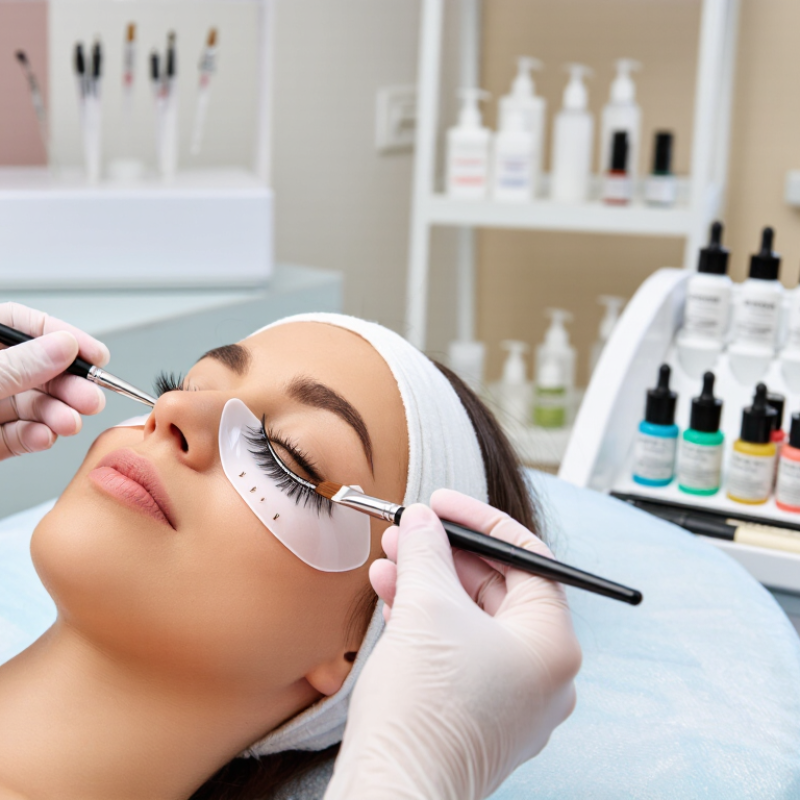
Understanding What a Professional Lash Lift Kit Includes
A professional lash lift kit is more than curling lotion in a pouch. It should include a gentle cleanser, silicone shields, lifting lotion, setting lotion, nourishing serum, microbrushes, applicators, gloves, and clear timing instructions. A patch-test guide is also essential. Each product should show its purpose, ingredients, storage advice, and recommended processing time. Missing details can create inconsistent results.
In practice, I check shield flexibility before treatment. A shield that sits unevenly can produce crossed or sharply bent lashes. I also record the processing time for each client. Lash thickness, porosity, and previous treatments can change the result. Grand View Research valued the global false eyelashes market at about $1.6 billion in 2023. Its forecast suggests continued growth through 2030. This adjacent market shows stronger demand for professional eye-beauty services, but demand does not replace careful technique. The U.S. Food and Drug Administration also advises caution around eye cosmetics and irritation risks. A complete kit should support that caution.
Tips: Keep tools separated by use. Never guess processing times. Follow the kit’s instructions exactly. Use a patch test before treatment. Stop if burning or swelling appears. I still allow extra time for assessment, even when the kit promises fast results. That is not efficient, perhaps, but rushed work often looks worse. A professional kit should make careful decisions easier, not encourage shortcuts.
Why Choose a Lash Lift Kit for Professional Results?
Understanding what a professional lash lift kit includes helps create a consistent and controlled treatment. The chart shows a typical professional workflow and the approximate time allocated to each stage.
A complete professional lash lift service commonly takes about 30 minutes, including preparation, lifting, setting, and nourishing. Timing may vary according to lash condition and product instructions.
Preparing the Lashes and Setting Up the Treatment Area
Why Choose a Lash Lift Kit for Professional Results?
Preparing the lashes correctly determines how evenly the lift develops. I begin with clean hands, a disinfected trolley, and fresh, single-use applicators. The CDC recommends alcohol-based hand rub containing at least 60% alcohol when soap and water are unavailable. That number matters during busy appointments, but visible cleanliness still comes first. I remove makeup, oil, and adhesive residue with a gentle, lint-free applicator. Even a small oily patch can interrupt product contact. Slow down here.
I inspect the lashes under a bright lamp, checking for dryness, gaps, irritation, or recent chemical treatment. I record the client’s sensitivity history and follow the kit’s timing instructions without improvising. A trained professional should also confirm ventilation, adequate lighting, and a stable reclining position. The U.S. Bureau of Labor Statistics projects 9% employment growth for skincare specialists from 2023 to 2033, increasing the need for consistent service procedures. Yet speed can create false confidence. I sometimes find one lash line needs more careful separation than the other. That is not a failure; it is useful information. I adjust the shield placement, protect the lower lashes, and keep solutions away from the waterline. The FDA notes that cosmetic products can still cause adverse reactions, so accurate records and clear aftercare instructions remain essential. Clean tools matter.
Applying the Lash Lift Kit for Consistent Professional Results
Professional-looking lash lifts depend on careful preparation as much as product choice. Work with clean hands, sanitized tools, and a dry, well-lit station. Ask about sensitivities and previous reactions, then follow the kit’s instructions for any recommended patch test. Check that lashes are clean and free of mascara or oil. Small details matter.
Choose a shield that fits the client’s eye shape and lash length; an oversized shield can leave lashes looking under-curled. Secure each lash separately, keeping the rows straight and evenly spaced.
Apply lifting and setting products only as directed, avoiding contact with the skin and eyes. Use a timer. Do not guess at processing times or extend them to chase a stronger curl.
If the client reports burning or unusual discomfort, stop and follow the kit’s safety guidance.
Before removing the shield, check that the lashes have processed evenly rather than judging one section alone. Gently remove residue as instructed, and avoid pulling on the lashes. Explain that results and wear time can vary with natural lash condition and aftercare. I still find it easy to focus too much on symmetry; a small difference between eyes is normal, and forcing perfect uniformity can compromise comfort. Keep notes on shield choice and timing so future appointments can be adjusted thoughtfully.