How to Choose Quality Leather Wallets in 2026?
Choosing Quality Leather Wallets in 2026 takes more than liking a color or a soft finish. A wallet should feel balanced in your hand, hold your cards without bulging, and sit comfortably in your pocket. Check the leather’s surface in natural light. Small variations can be normal; peeling, deep cracks, or a plastic-like coating deserve closer attention. Run a finger along the edges, inspect the stitching, and open every compartment. Look for even seams and pockets that do not pull sharply when filled. Small details matter.
Saddleback Leather founder Dave Munson is known for the line, “They’ll fight over it when you’re dead.” It captures the appeal of a wallet built to last, but a memorable slogan is not proof of quality. Ask what leather was used, how the wallet was constructed, and what care it needs. Full-grain leather can develop a rich patina, yet it may show marks sooner than coated leather. Neither choice suits everyone. Compare the product description with clear photographs, return terms, and repair options. If sourcing claims are vague, pause and verify them with the seller. A polished product page can still leave important questions unanswered.
This guide will help you judge material, construction, function, and value before buying. Expect practical checks, not a perfect formula. Your wallet may soften beautifully—or simply show every scratch. That’s worth considering.
What Defines a Quality Leather Wallet in 2026?
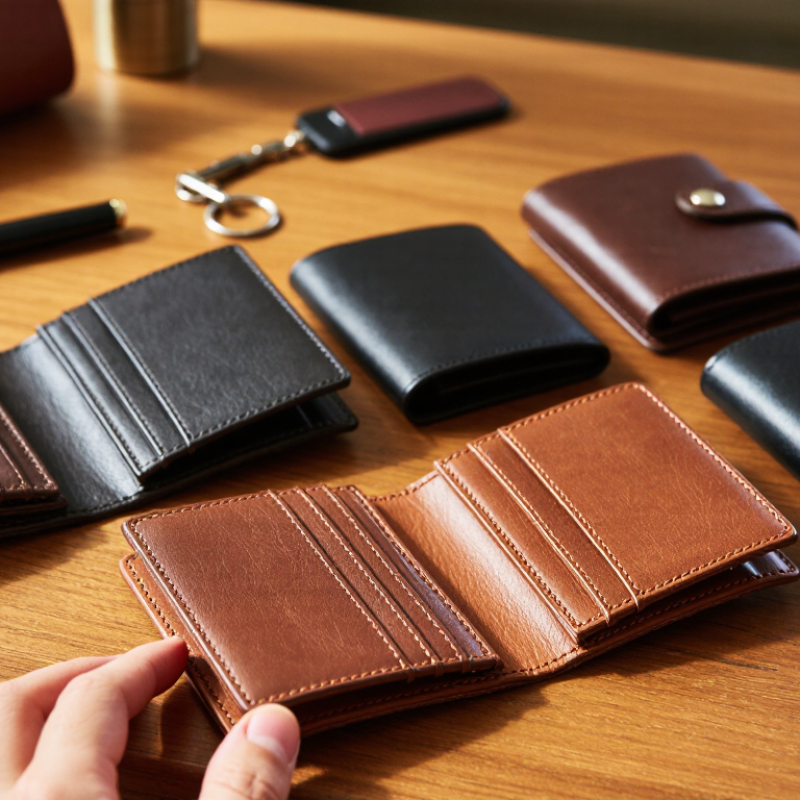
What defines a quality leather wallet in 2026 is how its materials and construction handle daily use. Look for a clear description of the leather, including its finish, rather than relying on words like “premium.” Full-grain leather keeps more of the hide’s natural surface, but it can show marks and vary in texture. That is not automatically a flaw.
Feel the edges. They should be smooth, without peeling layers or rough glue. A strong leather smell proves little; finishing treatments can change the scent.
Check the stitching around corners and card slots, where friction puts extra strain on seams. Stitches should be even and secure, though tiny variations do not always affect durability. Open the wallet and inspect the lining: loose fabric or excess adhesive may signal rushed assembly.
Then consider fit. A wallet that bulges when holding your usual cards may stretch or become uncomfortable in a front pocket. Keep it simple. More compartments can mean more bulk.
No wallet stays pristine forever, and a soft leather may mark sooner than a coated one. That trade-off deserves thought. A realistic care guide and specific material details are more useful than vague promises of lifelong wear.
How to Identify Leather Type and Grade
How to Choose Quality Leather Wallets in 2026?
How to Identify Leather Type and Grade
Start with the surface, not the sales label. Full-grain leather keeps its natural grain; small pores and healed marks may remain visible. Corrected-grain leather is sanded and often coated, so its pattern can look unusually uniform. Split leather comes from lower hide layers and may have an applied finish. Bonded leather contains reprocessed leather fibers, not a continuous hide. These terms describe material, but they do not guarantee durability. There is no single universal grading scale for wallets. A label alone is not proof.
Check the cut edges and interior folds. A fibrous, layered edge may indicate split material; a thick plastic-like coating deserves questions. Rub a hidden spot gently with a clean, slightly damp cloth, and inspect for color transfer. Smell is a weak test. I still find that part easy to misjudge. For better evidence, ask for the leather type, finish, and test results. ISO 11640 measures color fastness to rubbing, while ISO 3377-1 measures tear strength. Those tests assess specific properties, not overall quality. The Leather Working Group’s 2024 Impact Report says its audited supply network represents over 25% of global leather production; that figure concerns sourcing coverage, not wallet grades. Treat traceability as useful context, then judge the actual hide and construction.
How to Assess Craftsmanship, Stitching, and Hardware
How to Choose Quality Leather Wallets in 2026?
Craftsmanship shows in the small details. Check that stitches are evenly spaced, tight, and consistent around corners. Loose threads or skipped stitches can weaken high-stress areas, especially card-slot edges. Gently flex the wallet; seams should not gape, and the leather should bend without a brittle, papery feel. A clean edge finish helps, but it is not proof of quality. One easy mistake is judging a wallet by its shine alone.
For stronger evidence, ask whether the maker has independent test results. ISO 3377-1 measures leather tear strength, while ISO 11640 assesses color fastness to rubbing. For metal components, ISO 9227 provides a salt-spray corrosion test. These standards describe how to test materials; they do not guarantee that every wallet has been tested. Inspect the hardware yourself: a snap should close firmly, and a zipper should move smoothly without catching the lining. Thin plating may look polished at first, yet wear quickly. The finish matters.
Tips: Check stitch tension, not just stitch count. Open every pocket, tug gently at the seams, and test the closure several times. Ask for test reports tied to the wallet’s materials or production batch. If none are available, treat appearance as only one clue.
How to Choose Quality Leather Wallets in 2026
Example Craftsmanship Inspection: Stitching, Finishing, and Hardware
Illustrative scores on a 0–5 inspection scale, not test results for a specific wallet. Check for even, secure stitching; smooth, sealed edges; consistent leather surface and feel; firmly attached hardware; and clean interior construction. A higher score indicates fewer visible issues during inspection.
How to Choose a Wallet for Your Everyday Needs
Choosing a wallet for everyday use starts with what you actually carry, not the number of pockets advertised. Count your daily cards, note whether you use cash, and check if you need space for receipts. Keep it honest. A wallet that holds twelve cards may feel bulky when your jeans pocket is already tight. Try your usual load and sit down; pressure at the hip is easy to overlook in a shop.
Leather quality matters, but daily comfort matters too. Look for even stitching, clean edges, and leather that bends without feeling papery or stiff. Smell alone proves little. Natural marks can be normal, while loose threads or peeling surfaces deserve a closer look. Run a thumb along the fold and inspect the corners, where friction often shows first. Some wallets soften with use; others stay rigid longer than expected. I misjudged that.
Choose a layout you can open easily at a counter or when reaching for a transit card. Folded cash, coins, and receipts need different space; a slim design may not handle all three. Leave a little room. Overfilling can stretch seams and make cards harder to remove. Leather also needs occasional care: wipe off moisture, let it dry naturally, and avoid storing it beside sharp keys. I used to buy by appearance alone. That made mornings slower.
How to Verify Quality, Value, and Long-Term Care
How to Choose Quality Leather Wallets in 2026?
How to Verify Quality, Value, and Long-Term Care
A quality wallet should feel deliberate, not merely expensive. To verify the leather, read the material description and inspect clear, close-up photographs. Full-grain leather often shows natural surface variation, while corrected finishes may look more uniform. Labels alone prove little. Check the cut edges, even stitching, and pocket seams; loose threads or bubbling edge paint can signal rushed construction.
Value depends on more than leather grade. Compare thickness, lining, card-slot fit, repair options, and the seller’s return terms. A wallet that holds cards securely without stretching may serve longer than a softer, pricier one. Ask how the leather is finished, since care needs differ. A glossy surface is not automatically durable.
For long-term care, empty the wallet occasionally and wipe dust away with a soft, dry cloth. Let damp leather air-dry away from radiators and direct sun. Use conditioner sparingly, after testing a hidden spot; too much can darken leather or soften its structure. I would not chase a flawless patina. Small marks happen. Storing a wallet overfilled can stretch its pockets, even when the leather is excellent.
| Evaluation Area | What to Look For | How to Verify It | What It Means for Value | Long-Term Care |
|---|---|---|---|---|
| Leather description | Look for a clear description of the leather type and finish. Full-grain leather retains the natural grain; top-grain leather has had its surface altered or refined. “Genuine leather” is a broad term and does not, by itself, specify a particular grade. | Ask the seller what the description means for the specific wallet, including whether the material is coated, corrected, split, or bonded. Check the product details rather than relying on a label alone. | A specific, verifiable description helps you compare similar products. A grade label alone does not guarantee good tanning, construction, or durability. | Follow care instructions for the actual finish. Test any conditioner on a small, inconspicuous area first, since finishes can react differently. |
| Grain and surface | Natural leather may show small variations in grain, tone, or markings. A very uniform surface may have a more substantial finish; appearance alone cannot establish quality. | Inspect multiple areas in good light. Look for a surface that feels consistent with the stated finish, without peeling, flaking, or unexplained tackiness. | Choose based on the look and wear pattern you prefer. A coated, uniform surface may be easier to wipe clean, while natural variation is not necessarily a defect. | Keep the wallet away from prolonged direct sunlight, heat, and excess moisture, which can dry, fade, or distort leather. |
| Edges and finishing | Edges should be neatly cut and finished, with no loose layers, sharp burrs, or visibly peeling edge paint. | Check the perimeter, folded edges, and corners. Gently handle the wallet and look for lifting layers or uneven finish. | Careful edge finishing can reduce premature wear, especially where the wallet rubs against pockets and bags. | Do not pick at edge coating. If an edge begins to lift or split, avoid adding household glue; seek a suitable leather repair service. |
| Stitching | Stitches should be even, secure, and free from loose threads. Stress points, such as pocket corners, should not have visibly weakened seams. | Inspect both sides of each seam and gently flex the wallet. Do not pull hard on the thread or force the leather. | Consistent stitching is a useful construction indicator, but thread appearance alone cannot predict the wallet’s full service life. | Remove loose surface dust with a soft, dry cloth. Have a seam repaired early if stitching begins to unravel. |
| Lining and pockets | Interior materials should be securely attached, with pocket openings that lie flat and seams that do not obstruct card access. | Slide a card in and out of each slot. Check for snagging, loose lining, rough adhesive, or pockets that are already stretched. | Usable pocket layout matters as much as material choice. A well-designed wallet should hold your usual cards without excessive strain. | Avoid overfilling slots. Excessive contents can stretch pockets and place constant pressure on seams and folds. |
| Fold and thickness | The wallet should fold naturally and sit comfortably when loaded with your everyday essentials. A thick wallet can create extra pressure at its fold and seams. | Test the wallet with the number of cards and bills you normally carry. Check that it closes without forcing and does not bulge excessively. | The best size is the one that suits your daily use. More compartments are not automatically better if they encourage overloading. | Carry only what you need and rotate out old receipts. Store the wallet empty or lightly filled when not in use. |
| Hardware and closures | If present, snaps, zippers, and other hardware should operate smoothly and be firmly attached. A minimalist wallet has fewer hardware parts to assess. | Open and close each component several times. Check for sticking, sharp edges, loose attachments, or damage to nearby leather. | Reliable hardware improves everyday usability, but it should be considered alongside leather, stitching, and repair options. | Keep hardware dry and clean. Do not force a stuck zipper or snap; forcing it can damage both the fitting and the leather around it. |
| Fit and function | Card slots should hold cards securely while still allowing practical removal. The wallet should fit comfortably in the pocket or bag where you plan to carry it. | Try your own cards if possible, or confirm the seller’s return policy before purchase. Check dimensions when ordering online. | A good fit reduces unnecessary bending, pressure, and wear. Compare function and construction rather than choosing by appearance alone. | Take cards out carefully rather than pulling on the slot edges. Avoid repeatedly carrying the wallet in a tight pocket that compresses it. |
| Price and overall value | Compare the stated materials, construction details, dimensions, warranty or repair terms, and return policy across similar wallets. | Look for specific product information and clear care guidance. Treat vague claims, including “premium” without supporting details, as marketing rather than proof. | Consider expected use, comfort, repairability, and how long the wallet remains functional. The lowest price or highest price alone does not establish value. | Basic preventive care and prompt repairs can help extend useful life, regardless of the wallet’s original price. |
| Everyday cleaning | Leather generally benefits from gentle, limited cleaning rather than frequent treatment or aggressive scrubbing. | For ordinary dust, use a clean, soft, dry cloth. For a spill, blot gently with a clean cloth; avoid rubbing the stain deeper into the material. | Simple care helps preserve the surface and avoids unnecessary products that may alter color or finish. | Do not soak the wallet or use household cleaners, alcohol, or abrasive materials. Let damp leather air-dry away from direct heat. |
| Conditioning and storage | Conditioning needs depend on the leather and its finish. Some coated surfaces may not absorb conditioner in the same way as more open-grain leather. | Read the maker’s care instructions and test a compatible product in a hidden spot. Stop if the leather darkens or changes in an unwanted way. | More product is not better. Unnecessary conditioning can leave residue or alter the appearance. | Store in a cool, dry place with room for air circulation. Keep it away from prolonged dampness, sealed wet environments, and direct heat. |
Buying note: Leather appearance and terminology vary by tannery, finish, and seller. Verify product-specific claims and care instructions before purchasing.
Related Posts
-
How to Source High End Leather Wallets in 2026?
-
Exploring Real World Applications of Best Premium Leather Wallets and Solutions to Common Consumer Issues
-
Finding Top Suppliers for High Quality Best Leather Wallets
-
How to Choose the Right Premium Leather Wallet for Your Needs
-

Top Tips for Choosing Quality Leather Wallets?
-
How to Choose the Best Leather Wallets for Your Needs?