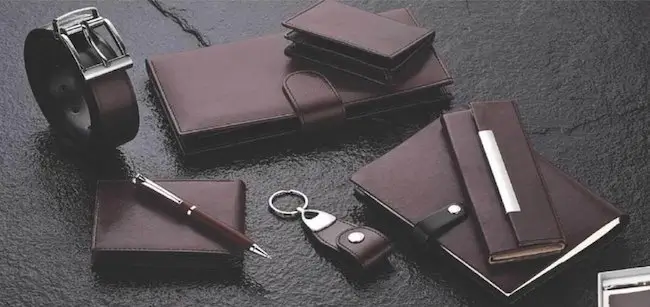
What is Faux Leatherette and Why Choose It for Your Business?
Faux Leatherette is gaining popularity in various industries. Its blend of durability and aesthetics makes it an ideal choice for businesses. This synthetic material mimics the appearance of genuine leather while offering several advantages. It is more affordable and easier to maintain than real leather.
Choosing Faux Leatherette can also reflect a company's commitment to sustainability. Unlike leather production, it involves fewer ethical concerns. Businesses can appeal to eco-conscious consumers without sacrificing style. However, it is essential to consider the quality of the Faux Leatherette used.
Not all Faux Leatherette is created equal. Some lower-quality products may wear out quickly. Investing in high-grade materials is crucial for long-term satisfaction. When selected carefully, Faux Leatherette can provide a reliable, stylish option for any business need.
What is Faux Leatherette? A Comprehensive Overview
Faux leatherette is a synthetic material designed to mimic the look and feel of genuine leather. It is often made from a blend of polyurethane and polyester. This creates a durable, water-resistant product that is lighter than real leather. According to a report by the Freedonia Group, the faux leather market is projected to grow by 5% annually. This growth indicates a rising trend among consumers seeking ethical and sustainable alternatives.
Businesses choose faux leatherette for various reasons. It provides an affordable option without compromising on style. The material is easier to clean and maintain compared to real leather. For example, vinyl faux leatherette can withstand spills and stains with minimal effort. A study from Allied Market Research highlights that 60% of consumers prefer synthetic materials due to the ethical implications of animal-derived products.
While faux leatherette offers many benefits, it is essential to consider the environmental impact. Production processes may involve harmful chemicals that can affect ecosystems. As manufacturing techniques improve, more sustainable methods are becoming available. This is an area where businesses can reflect on their choices and seek better practices.
The Composition and Manufacturing Process of Faux Leatherette
Faux leatherette is a popular alternative to traditional leather. It is made from synthetic materials, primarily polyurethane (PU) or polyvinyl chloride (PVC). These compounds allow manufacturers to mimic the texture and appearance of real leather without using animal products. This aspect is appealing for businesses focused on sustainability.
The manufacturing process begins with creating a base fabric, usually polyester or cotton. This base is then coated with a layer of PU or PVC. This coating provides a soft feel and durable finish. Heat and pressure are applied to bond the materials. This ensures a consistent texture and appearance. For businesses, the advantages of faux leatherette include lower production costs and ease of maintenance.
Yet, the process isn't without flaws. Sometimes, the material may not perform as well as expected under extreme conditions. For instance, it can crack or wear down over time. Businesses need to weigh these factors carefully. Choosing materials like faux leatherette requires a keen understanding of both quality and user expectations.
Advantages of Choosing Faux Leatherette for Your Business
Faux leatherette has become a popular choice for businesses seeking style and durability. This material offers several significant advantages. It is often more affordable than genuine leather while still providing a sleek, fashionable appearance.
One of the main benefits of faux leatherette is its easy maintenance. Stains can be wiped clean with a damp cloth. Unlike genuine leather, it does not require special cleaners or treatments. This saves business owners both time and money. Faux leatherette also resists wear and tear better than some natural materials. It stands up to daily use effectively.
Tip: When selecting faux leatherette, pay attention to the thickness and texture. Higher-quality options will mimic the feel of real leather better.
Faux leatherette is also a sustainable option. It often uses fewer resources in production compared to animal leather. This aligns with the growing consumer demand for environmentally friendly products. However, not all faux materials are created equal. Some lower-quality versions may not perform well over time.
Tip: Research suppliers and materials carefully. Choosing the right source can make a big difference in product longevity.
While faux leatherette may not replicate the exact feel of natural leather, it offers versatility and style. Many businesses find that it suits their needs without compromising on aesthetics.
What is Faux Leatherette and Why Choose It for Your Business? - Advantages of Choosing Faux Leatherette for Your Business
| Dimension | Details |
| Material Composition | Polyurethane (PU) or Polyvinyl Chloride (PVC) |
| Durability | Resistant to wear and tear; long-lasting |
| Maintenance | Easily cleaned with a damp cloth; low maintenance |
| Cost Effectiveness | More affordable than genuine leather |
| Environmental Impact | Many options are eco-friendlier compared to traditional leather |
| Variety | Available in numerous colors and textures |
| Versatility | Suitable for various products such as furniture, bags, and apparel |
| Comfort | Soft and comfortable to touch |
Common Applications of Faux Leatherette in Various Industries
Faux leatherette is a versatile material used across various industries. Its synthetic composition mimics real leather, providing a cost-effective and cruelty-free alternative. In the fashion industry, faux leatherette is popular for making stylish handbags, jackets, and shoes. Designers appreciate its ability to blend aesthetics with sustainability. Bright colors and unique textures open endless creative possibilities.
In the furniture sector, faux leatherette has gained traction for upholstery. It’s easy to clean and maintain, making it ideal for cafes and restaurants. With diverse styles available, businesses can create inviting spaces without sacrificing quality. Faux leatherette offers durability, which is essential for high-traffic areas.
Moreover, the automotive industry employs faux leatherette in car interiors. It enhances the overall look while remaining budget-friendly. Car manufacturers are turning to this material to attract eco-conscious consumers. However, not all faux leatherette is of equal quality. Businesses must choose wisely to ensure longevity and comfort. Emphasizing usability while balancing aesthetic appeal is a constant challenge in product selection.
Sustainability and Ethical Considerations of Faux Leatherette Usage
Faux leatherette, a synthetic alternative to traditional leather, has gained traction due to its sustainable qualities. Recent studies reveal that the production of faux leather results in approximately 80% less carbon emissions compared to genuine leather. This reduction is essential in mitigating climate change impacts, making it a favored choice for eco-conscious businesses.
Incorporating faux leatherette in your products also aligns with ethical consumerism trends. A recent report indicated that over 60% of consumers prefer brands committed to sustainability. Many consumers actively seek out alternatives to real leather, often driven by animal welfare concerns. Faux leatherette offers a cruelty-free option without compromising on style or functionality.
Tips for businesses include emphasizing the sustainable aspects of faux leatherette in marketing campaigns. Highlight its durability, as it can withstand wear and tear despite being a syntactic product. Additionally, consider showcasing the environmental benefits in product descriptions. Creatively engaging with this narrative can enhance brand loyalty among eco-aware customers. Always remember, transparency is key; consumers value authentic sourcing stories, even in synthetic options.