Who Are the Top Canvas Tote Bag Suppliers in China?
Canvas Tote Bags are simple products, but choosing a dependable supplier takes careful comparison. China has manufacturers and trading companies serving different order sizes, budgets, and customization needs. The strongest option is not always the one with the lowest quoted price. Fabric weight, seam strength, handle reinforcement, print clarity, and color consistency can all affect the finished bag. Small details matter.
This guide explores how to assess leading Chinese suppliers using practical sourcing criteria, rather than relying on promotional claims alone. Buyers should compare product ranges, customization capabilities, minimum order quantities, sample policies, communication, and production timelines. Ask for clear specifications, including fabric composition, dimensions, stitching details, and packaging requirements. A sample can reveal issues that photographs may hide. It is also sensible to confirm whether a supplier is a factory or a trading company, since each may offer different advantages. Request relevant quality documents and verify their scope and validity directly. Supplier rankings can change, and public information may not show every operational detail. That limitation deserves attention. Use the names and comparisons in this article as a starting point, then verify details through direct discussions and sample evaluation. A careful review helps narrow the field, though no checklist can replace your own judgment.
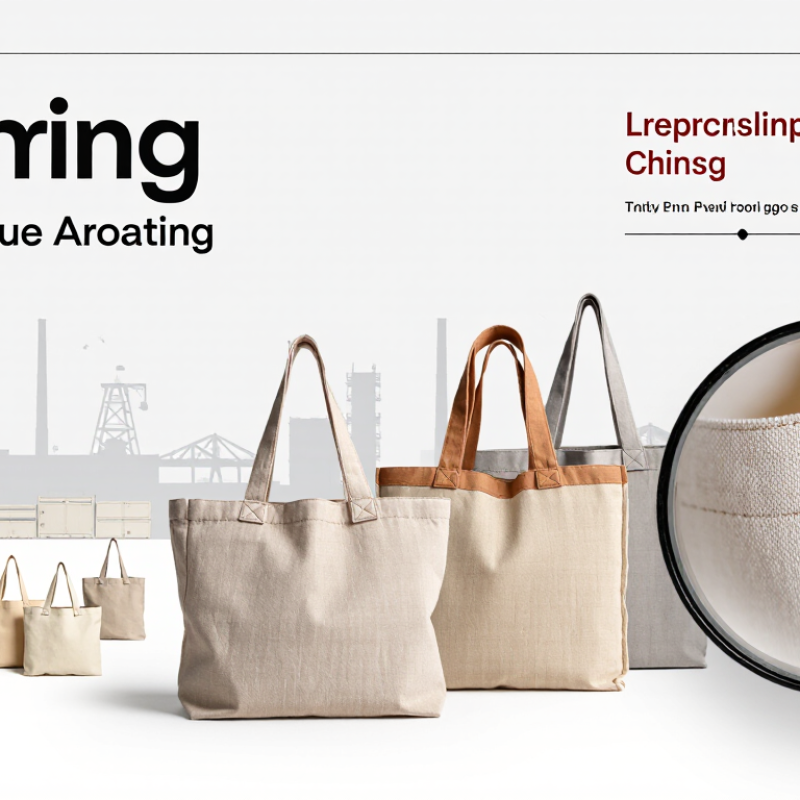
Overview of China's Canvas Tote Bag Supplier Industry
China’s canvas tote bag supplier industry sits within a much larger textile and sewn-goods manufacturing base. The National Bureau of Statistics of China reported that textile enterprises above designated size generated about RMB 4.69 trillion in operating revenue in 2023. This figure describes the wider textile sector, not tote bag factories alone. It signals industrial depth, but cannot verify an individual supplier’s capacity. China’s textile and apparel exports reached about US$293.6 billion in 2023, according to the China Chamber of Commerce for Import and Export of Textiles. That broad trade measure also includes many product categories beyond canvas bags.
Production is spread across manufacturing regions, with suppliers varying in fabric sourcing, printing equipment, and sewing capacity. Buyers should request a physical sample and check fabric weight, handle reinforcement, seam consistency, and color transfer before approving bulk orders. Look closely at the handle joints. They often reveal more than a polished product photo. Ask whether quoted weight refers to finished fabric or greige fabric; the distinction can affect the bag’s feel. These checks are practical, not foolproof. A sample may be better made than the eventual order, so written specifications and inspection records matter. Public industry data rarely isolates canvas tote output, leaving supplier-level comparisons imperfect. That limitation deserves attention.
How to Identify Leading Canvas Tote Bag Suppliers
A leading canvas tote bag supplier should show more than attractive product photos. Ask about fabric weight, weave, handle construction, and available size tolerances. A sample can reveal details that a catalog hides: uneven topstitching, rough seams, or handles that twist under pressure. Check the stated fabric weight against the sample, and ask how it is measured. Samples can mislead.
Review the supplier’s quality process in practical terms. Ask who checks stitching, dimensions, print placement, and packing, and request recent inspection records when available. Test a sample with a realistic load, then examine the handle seams and bag shape. If the bag will be washed, test for shrinkage and color transfer before approving bulk production. Small flaws matter. A written specification helps both sides catch mismatches early.
Production capability deserves equal attention. Ask for evidence of similar orders, current capacity, typical lead times, and how delays are communicated. Clear answers should include quantities and dates, not just “fast delivery.” Request updates at agreed production stages, such as fabric approval and pre-shipment inspection. A video call or factory visit can help verify operations, though neither replaces a careful sample review. I would not judge a supplier by price alone; low quotes can leave important details unresolved. Compare the full specification, sample quality, communication, and after-sales response before placing an order.
Major Manufacturing Regions and Supplier Specialties
China’s canvas tote suppliers are spread across several manufacturing regions, each with different strengths. Zhejiang, especially around Yiwu and Ningbo, is known for flexible sourcing and a wide range of bag styles. Buyers may find simple promotional totes, zipper pouches, and reusable shopping bags in the same supplier network. Guangdong has a strong base in sewn goods and export-oriented production. Some factories there handle more detailed designs, such as lined interiors, inner pockets, and reinforced handles. Fujian also has textile and bag-making capacity, though capabilities vary between factories. Regions are useful clues, not guarantees.
Supplier specialties often depend on equipment, fabric access, and order size. Ask whether the factory cuts and sews canvas in-house or outsources part of the work. Details matter. Request a sample with the intended fabric weight, handle length, seam construction, and print method; a similar-looking sample can perform differently under load. Discuss shrinkage and color variation before approving bulk production. One weakness in many sourcing guides is treating a city as proof of quality. It is not. Check recent production photos, inspect a physical sample, and confirm how defects are recorded and resolved. A supplier that explains limitations clearly may be more dependable than one promising every finish at any volume.
Key Factors for Comparing Chinese Tote Bag Suppliers
When comparing Chinese canvas tote bag suppliers, look beyond catalog photos. Ask for the fabric weight, weave, and fiber content in writing. A supplier should explain how those choices affect stiffness, print clarity, and daily wear. Request a sample in the exact fabric and color you plan to order. Check the seams by gently pulling the handles. Small details matter.
Production experience shows up in repeatability, not just a neat prototype. Ask how the factory checks handle attachment, dimensions, and print placement across a batch. Request recent inspection records or a clear description of the inspection process. Also confirm who handles rejected items and whether replacement terms appear in the purchase agreement. Vague answers deserve follow-up. A polished sample can still hide uneven bulk production; one sample is not proof.
Compare minimum order quantities, sampling fees, production timelines, and packaging details side by side. Ask whether timelines include material sourcing and final inspection. Response quality is useful evidence: clear answers with measurements are more helpful than broad promises. Verify relevant quality or environmental claims through current documentation, rather than relying on a logo or verbal assurance. One awkward point: the lowest quote may look efficient until extra charges appear. A simple written specification can prevent costly misunderstandings.
How to Verify Supplier Quality and Production Capabilities
When evaluating canvas tote bag suppliers in China, verify the product and the process behind it. Request a sample made with the same canvas weight, lining, and handle construction planned for bulk orders. Check the fabric label or specification sheet, then compare it with the sample’s actual thickness and feel. Look closely at seams, handle attachment points, and stress areas. Ask how the supplier tests colorfastness and carrying strength, and request recent test records when available.
A sample can look excellent while production varies. Ask to see the cutting, sewing, and inspection areas, either during a visit or through a live video call. Check whether the equipment and staffing match the supplier’s stated monthly capacity. Ask which steps are performed in-house and which are outsourced. Get a written production schedule, including sample approval, material purchasing, and final inspection. A clear answer is useful; vague promises are not.
No checklist catches everything. A tidy factory tour cannot guarantee consistent work, and a polished sample may hide weak stitching in bulk production. Compare several units from a production run, not only the showroom sample. Check that measurements, fabric color, and handle length remain consistent. Keep specifications and approved samples documented. Some details still get missed, so allow time for corrections before shipment.