Top Cotton Yarn Dyed Check Fabric Manufacturers Worldwide
Cotton Yarn Dyed Check Fabric is defined by a simple but demanding process: colored yarns are arranged before weaving, creating checks that run through the cloth rather than sitting only on its surface. In a finished shirt, the pattern should meet cleanly at the pocket and side seam. Small mismatches are easy to spot. So are uneven lines, loose yarns, and color changes between production batches.
Textile researcher Dr. Richard Blackburn has worked on textile materials and sustainability. A useful editorial reminder for this guide—not a verified verbatim quotation from him—is: “Judge a fabric by its construction, consistency, and performance, not by the swatch alone.” That caution matters when comparing manufacturers worldwide. A sample may feel crisp under bright showroom lights, yet soften after washing or vary across a bulk order. Ask about yarn quality, weave density, colorfastness testing, shrinkage control, and production traceability. Request a larger sample when possible.
This guide examines leading Cotton Yarn Dyed Check Fabric manufacturers through practical sourcing considerations, including product range, customization, quality systems, and export experience. It also recognizes that factory capability can differ by style and order size. No supplier is the right fit for every buyer. A careful comparison should connect the fabric’s weight, hand feel, and pattern scale to its intended use. Even then, details can be missed. Verify specifications before committing to production.
What Defines Cotton Yarn-Dyed Check Fabric
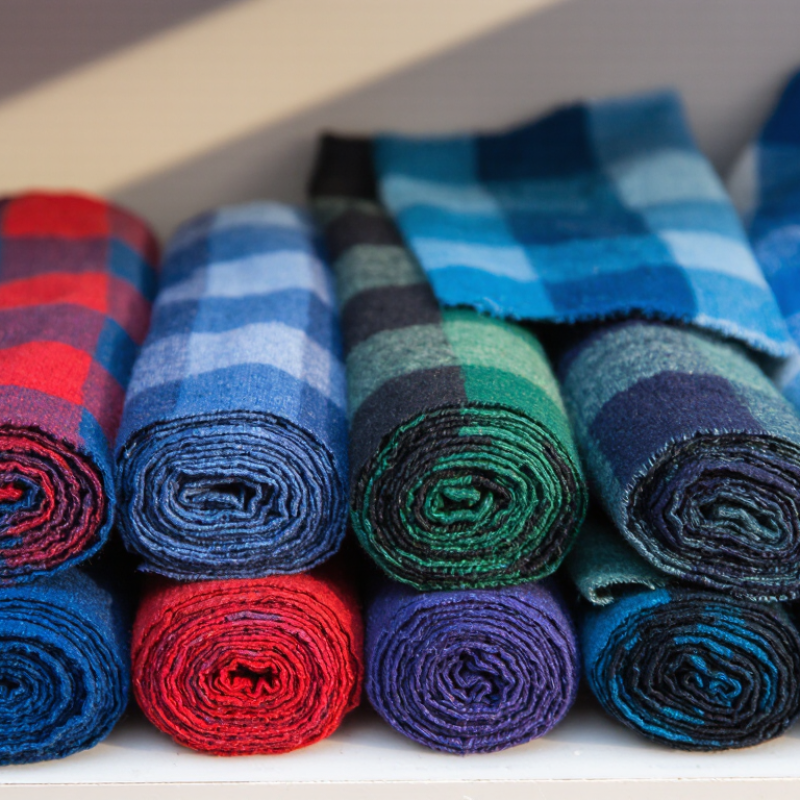
Cotton yarn-dyed check fabric is defined by its process and structure, not simply by its checked surface. Yarns are dyed before weaving, then arranged in contrasting warp and weft sequences to create checks that continue across the cloth. That alignment matters. A useful specification lists yarn count, weave, finished width, and colorfastness test method. Without these details, visually similar samples may perform differently. Fiber length and yarn twist also influence softness, strength, and pattern clarity. Small checks can blur when yarns are coarse or finishing distorts the fabric.
Textile Exchange’s Materials Market Report 2024 estimates global fiber production at 124 million metric tonnes in 2023, including about 24.4 million tonnes of cotton. Those figures describe supply, not fabric quality. Test results matter more to buyers. Check shade variation, shrinkage, skew, and colorfastness against the fabric’s intended use. For shirts, stable dimensions help keep checks crisp; for bedding, softness and repeated-wash performance may matter more. Yarn-dyed construction can define a pattern clearly, but it does not guarantee lasting color or perfect matching. That distinction is easy to miss. A washed swatch helps. Requesting a bulk-lot sample is also worthwhile, since lab dips alone may not reveal variation from weaving or finishing.
How Cotton Yarn-Dyed Check Fabric Is Made
Cotton yarn-dyed check fabric begins before weaving. Cotton fibers are spun into yarn, then checked for strength, evenness, and dye absorption. Color is applied to the yarn, often in skeins or packages, so each thread carries color throughout. This matters. Unlike piece-dyed cloth, the check pattern is created by arranging colored warp and weft yarns on the loom. Technicians plan the repeat size, stripe width, and color sequence, then wind the warp threads in order. Small details matter. A counting error can shift a line across the fabric.
During weaving, the loom interlaces the yarns to create checks visible on both sides, though the appearance depends on weave structure and finishing. Inspectors check pattern alignment, broken ends, shade variation, and fabric weight. Washing or finishing can soften the fabric and stabilize its dimensions, but heat and tension need careful control. Real production is not perfectly uniform. Cotton may absorb dye unevenly, and yarn tension can vary between runs. These differences call for testing and adjustment, not assumptions. The finished fabric is inspected again, rolled, and recorded by lot to help cutting teams match panels more reliably.
Major Cotton Yarn-Dyed Check Fabric Manufacturers Worldwide
Major cotton yarn-dyed check fabric manufacturers operate in textile regions across Asia, Europe, and the Americas. Their facilities may handle yarn preparation, dyeing, weaving, and finishing, while some mills rely on specialist partners. Details matter. Because the yarn is dyed before weaving, the check pattern can show clear color boundaries and a woven texture. The result still depends on dye control, yarn consistency, and loom settings.
Buyers usually compare more than price. They should request fabric swatches and check the pattern repeat, yarn count, width, and finish against the intended product. Ask for test results covering shrinkage, colorfastness, and rubbing resistance where these are relevant to use. Small differences show. A repeat that looks balanced on a sample may shift across a wider production roll, so approval should include clear tolerances.
Reliable manufacturers explain their production steps and provide traceable specifications for each order. They can also discuss whether a requested color combination is practical at the required quantity and lead time. Not every mill. Some suppliers may outsource dyeing, which is not automatically a problem, but it calls for clear quality checks between stages. I would not assume that a polished sample guarantees bulk consistency; production conditions can change, and buyers should confirm inspection procedures before approving an order.
Regional Strengths of Global Check Fabric Producers
Regional strengths reflect different production systems, not a simple ranking. East Asian mills often combine spinning, weaving, dyeing, and finishing, supporting large check orders with controlled repeat sizes and dependable shade matching. South Asian producers benefit from established cotton-spinning bases and can offer flexible volumes, though consistency still depends on mill-level process control. Small details matter: a two-millimeter shift can alter a check’s visual balance.
USDA’s Cotton: World Markets and Trade report estimated global cotton production at roughly 25 million metric tons for 2023/24. That figure describes fiber supply, not finished check-fabric capacity, but it helps explain the strong raw-material base in major cotton-producing regions. Turkey’s location supports shorter supply routes into Europe, while some European mills focus on smaller, design-led runs and close finishing control. Yet country labels can mislead. A reliable supplier should show repeatability through shade bands, shrinkage results, and production-lot samples—not just a polished swatch. One caveat: these regional patterns are broad, and individual mills may differ sharply.
How to Compare Manufacturers for Quality and Supply Needs
Compare manufacturers using the same specification sheet, not polished showroom swatches. The Textile Exchange Materials Market Report 2024 estimates global fiber production reached 124 million tonnes in 2023, with cotton representing about 20 percent. That scale makes traceable fiber sourcing and consistent batch records useful questions, not paperwork details. Ask for yarn counts, fabric weight, check repeat, color tolerances, and the mill’s process for approving shade bands.
For quality, request production-lot samples and test reports, then check the fabric yourself under daylight and store lighting. Look for broken checks, uneven color, skewed lines, loose yarns, and shrinkage after washing. Relevant tests include colorfastness to laundering under ISO 105-C06 and dimensional change under ISO 5077. Small differences matter. A sample may look excellent while bulk fabric shifts in shade; this is easy to overlook.
Supply reliability needs evidence, too. Ask for minimum order quantities, realistic lead times, monthly capacity, and the source of dyed yarn. Confirm how the manufacturer handles delayed yarn, rejected lots, and repeat orders. Compare actual delivery records where available, rather than accepting a capacity figure alone. Keep one approved reference sample and written tolerances. No scorecard catches everything, and an occasional production variation can still happen.
Top Cotton Yarn Dyed Check Fabric Manufacturers Worldwide — How to Compare Manufacturers for Quality and Supply Needs
Cotton production by leading producing countries, 2023/24 (million 480-lb bales). This provides supply-chain context for comparing manufacturers; it does not rank manufacturers or measure their quality.
When evaluating suppliers, verify fabric specifications, colorfastness and other test results, production capacity, lead times, and documentation directly. Source: USDA Foreign Agricultural Service Production, Supply and Distribution database; figures shown are rounded.