

Why Is Vitamin Bottle Packaging Important?
Why Is Vitamin Bottle Packaging Important? The answer reaches beyond shelf appeal. Vitamin Bottle Packaging helps protect capsules and tablets from moisture, light, and handling. A secure closure, a compatible bottle material, and a readable label all matter. Small details can make a real difference. A cap that does not seal well may expose a product to humid air. A label with cramped text can make serving directions harder to find.
Packaging educator Walter Soroka’s work focuses on packaging as a practical system for protecting and presenting products. As a paraphrase, not a verified verbatim quotation, his approach can be summed up this way: “Good packaging protects the product and supports correct use.” That idea is useful for vitamin bottles. Yet packaging alone cannot guarantee product quality or safety. Formulation, manufacturing controls, storage, and clear instructions matter too. It is worth remembering that a polished bottle can still hide confusing information.
This guide examines how bottle material, closure design, labeling, and user experience work together. It also considers trade-offs. Dark packaging may limit light exposure, but it can make remaining contents harder to see. A wide opening may simplify access, yet it may offer less control when pouring. These choices deserve careful review. The best Vitamin Bottle Packaging is not merely attractive. It should protect the contents, communicate clearly, and suit the people who use it. Some details are easy to overlook. That is precisely why they deserve attention.
What Vitamin Bottle Packaging Includes
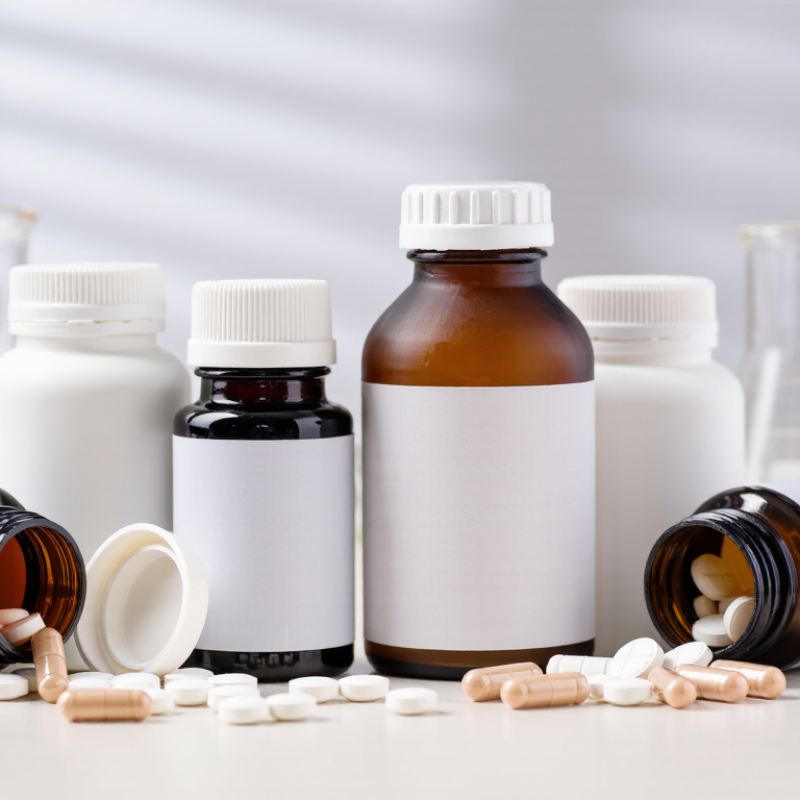
Vitamin bottle packaging is a system, not just a container. It includes the bottle, cap, inner seal, label, and sometimes a desiccant packet. Each part has a job. The bottle may be amber or opaque to limit light exposure, while its material and closure help manage moisture. A liner can cushion the seal; an induction foil can show whether the bottle has been opened. Not every supplement needs every feature.
Fit matters. A cap that is difficult to open may frustrate someone with limited hand strength, while a loose fit can compromise the seal. Desiccants also need clear identification so they are not mistaken for product. Small details count. The label should remain readable on a curved surface and include serving information, ingredients, and directions. In the United States, the FDA’s Dietary Supplement Labeling Guide describes key label elements, including the Supplement Facts panel and ingredient statement.
Demand makes clear labeling especially relevant: the Council for Responsible Nutrition’s 2023 Consumer Survey reported that 74% of U.S. adults use dietary supplements. That figure is not a packaging-performance test, but it shows how many people may rely on bottle information. Packaging choices should match the formula, storage needs, and intended users. A dark bottle can look protective, yet color alone does not prove that contents stay stable. Manufacturers still need suitable testing and clear instructions.
How Packaging Protects Vitamins From Damage
Vitamins can lose potency when exposed to moisture, oxygen, heat, or light. Packaging helps limit these exposures between production and use. A tightly fitted cap reduces air exchange, while an intact inner seal provides another barrier before opening. Small details matter.
The bottle material also affects protection. Amber or opaque containers can reduce light exposure, which is useful for light-sensitive ingredients. Some formulas are more vulnerable than others, so one package does not suit every product. Desiccant packets may help control moisture inside certain containers, but they must remain in place and should not be eaten. Packaging is not magic; it can slow damage, not stop every change.
Handling matters, too. A cracked bottle or loose cap can let in humidity, especially in a steamy bathroom. Keep the container closed and store it according to its label, away from heat and direct sunlight. A bottle that looks fine may still have a poor seal, so manufacturers check closure fit and material performance. Those checks are useful, though real-world storage is rarely perfect. A damp fingertip reaching into a bottle can introduce moisture, a small habit that packaging alone cannot correct.
| Packaging Feature | How It Helps Protect Vitamins | Potential Damage Addressed | Practical Considerations |
|---|---|---|---|
| Light-resistant bottle or container | Reduces exposure to light when the product is stored in its original packaging. | Light can degrade some light-sensitive ingredients over time. | Opaque or amber-colored packaging can offer more light protection than clear packaging. The level of protection depends on the material and product formulation. |
| Moisture-resistant bottle and closure | Helps limit the entry of water vapor from the surrounding air. | Moisture may cause tablets or capsules to soften, stick together, or otherwise change in quality. | Barrier performance depends on the container material, closure fit, and seal. Keep the cap closed between uses. |
| Well-fitting cap and seal | Helps close the opening and reduce exposure to air, humidity, and contaminants. | Repeated or prolonged exposure after opening can affect product condition. | A tamper-evident seal can indicate whether a package has been opened before purchase; it does not by itself guarantee product quality after opening. |
| Desiccant, when included | Absorbs some moisture inside the package and helps maintain a drier environment. | Excess humidity that can affect moisture-sensitive tablets or capsules. | Keep the desiccant in the bottle unless the product instructions say otherwise. It supplements, but does not replace, a properly closed package. |
| Protective bottle walls | Provide a physical barrier between the contents and routine handling or contact. | Minor impacts, crushing, or abrasion during storage and transport. | Protection varies by material, wall thickness, and container design. Bottles cannot prevent all damage from severe impact or poor handling. |
| Clean, food-contact-suitable packaging | Helps keep the product separated from external dirt and other sources of contamination when properly manufactured and handled. | Potential contamination from contact with the environment or unsuitable packaging materials. | Use packaging designed for its intended product and follow the storage directions on the label. |
| Clear storage and handling instructions | Guide users to store and handle the product in conditions suited to its formulation. | Heat, humidity, or light exposure caused by unsuitable storage. | Follow the product label. Packaging protection has limits and does not replace appropriate storage or the stated expiry date. |
How Packaging Helps Preserve Product Quality
Why Is Vitamin Bottle Packaging Important?
How Packaging Helps Preserve Product Quality
Vitamin quality can change when ingredients face moisture, oxygen, heat, or light. A tightly fitted cap and intact inner seal help limit exposure after filling. The bottle itself also matters. Opaque or amber-colored packaging can reduce light reaching sensitive ingredients, while a dry, clean interior helps protect tablets from unwanted moisture. Small details matter. A cap that feels loose, a broken seal, or tablets that look damp may signal a problem worth checking.
Packaging cannot stop every change. Not magic. Its protection depends on the product’s formula, storage conditions, and how often the bottle is opened. For example, leaving a container beside a sunny kitchen window or near a steaming kettle may expose it to heat and humidity. Closing the cap promptly and keeping the bottle in a cool, dry place can help maintain its intended quality. Some products include a desiccant packet, but it should remain in the bottle and should not be eaten. Packaging directions are worth following, even when they seem fussy. They may not explain every limitation, and a bottle alone cannot confirm that its contents remain suitable; check the seal, printed date, and storage instructions before use.
What Information Vitamin Labels Must Provide
Vitamin bottle packaging matters because the label helps people identify what they are taking and how to use it. In the United States, FDA rules require dietary supplement labels to include a product identity, net quantity, Supplement Facts panel, ingredient list, and the responsible company’s name and place of business. The panel should show serving size, nutrient amounts, and percentage Daily Values when established. Directions and relevant warnings should be clear and easy to find. Requirements differ across markets, so packaging for international sale needs a separate compliance review.
The Council for Responsible Nutrition’s 2024 Consumer Survey reported that 75% of U.S. adults use dietary supplements. That makes readable, accurate information especially important. Tiny print can hide serving details; vague wording can leave shoppers unsure whether amounts refer to one capsule or a full serving. A label can still look crowded, and that is a design problem worth revisiting. Check that ingredient names, quantities, and serving instructions match the product formula and supporting records.
Tips: Read the label at actual bottle size, not only on a computer screen. Keep key details legible under ordinary indoor light. Have a qualified regulatory reviewer check required statements for each sales market before printing.
How Design Affects Safety, Access, and Sustainability
Vitamin bottle packaging does more than hold tablets. It helps protect them from moisture, light, and accidental opening. A tight, well-fitted cap can reduce exposure to humid bathroom air, while an opaque bottle may suit products sensitive to light. The right choice depends on the product, so one package cannot serve every formula. Small details matter.
Safety also depends on clear information. A label should make the product name, serving directions, warnings, and expiry date easy to find. Strong contrast and readable type help people with limited vision, especially under dim kitchen lighting. A tamper-evident seal can show whether a bottle was opened before purchase. Child-resistant closures may add protection, but they can be frustrating for adults with arthritis. Design does not always get this balance right.
Access and sustainability need attention together. A wide opening can make tablets easier to remove, while a simple cap shape may be easier to grip. Lightweight packaging uses less material, but reducing barriers too far may leave some products less protected. Refill formats can cut waste when they are practical and hygienic; they are not automatically the best fit for every household. Recycling also depends on local collection systems, and mixed materials can be difficult to sort. A useful package considers the whole routine: opening it, reading it, storing it, and disposing of it.

