China Best Luxury Leather Bags for Wholesale Buyers
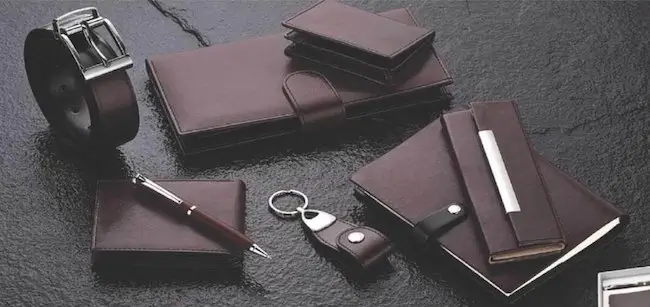
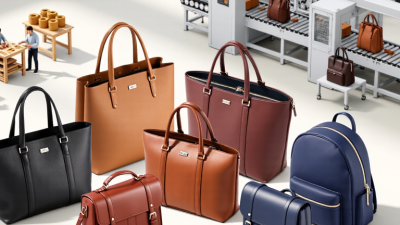
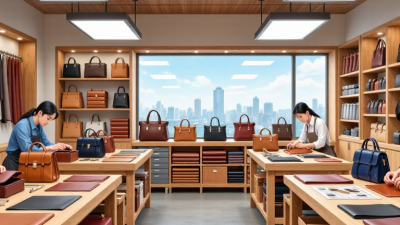
China offers wholesale buyers a wide range of Luxury Leather Bags, from structured work totes to compact crossbody styles. The right supplier can help a retailer balance design, quality, pricing, and reliable production. Yet “best” depends on your market. A boutique seeking small seasonal runs has different needs from a distributor ordering repeat collections.
When comparing manufacturers and trading companies, look beyond product photos. Ask about leather type, lining, edge finishing, hardware, stitching, and available quality checks. Request clear specifications and a physical sample before approving a larger order. Feel the leather. Inspect the seams. Check how a zipper moves and whether handles hold their shape. These small details often reveal more than a polished catalog.
Wholesale terms also deserve close attention. Confirm minimum order quantities, sample charges, production timelines, packaging options, and communication arrangements in writing. Ask how defects are recorded and resolved, and whether the supplier can provide consistent materials across repeat orders. A low quotation may exclude important services or depend on assumptions that are not clear at first. That can complicate planning.
No supplier is perfect. Even a promising sample may not represent every item in a bulk shipment, so define inspection steps before production begins. Compare several qualified suppliers against the same checklist rather than relying on a single attractive offer. With careful evaluation, buyers can choose bags that suit their customers and build a more dependable sourcing relationship.
What Defines a Luxury Leather Bag in China’s Wholesale Market?
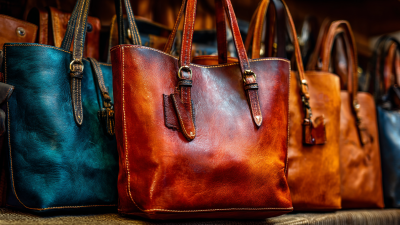
In China’s wholesale market, a luxury leather bag is not defined by a high quote alone. Buyers assess the leather, construction, finish, and consistency across production runs. Ask suppliers to identify the leather type and show close-up images of the grain, cut edges, and lining. Clear information matters. A soft hand feel is useful, but it cannot confirm durability by itself.
Inspect the details. Stitching should follow even lines around handles and corners, while edge paint should feel smooth rather than thick or tacky. Check that zippers move cleanly and metal fittings do not rattle. Open the bag and examine pocket seams, lining attachment, and stress points. Small flaws can reveal rushed work. Still, a single sample is not proof of consistent bulk quality.
Wholesale buyers should compare a pre-production sample with finished units from a real order, then agree on measurable inspection points. Confirm color tolerance, dimensions, packaging, production capacity, and lead times in writing. Custom designs may look impressive, but extra hardware or unusual materials can affect cost and repeatability. This part is easy to underestimate. A luxury product must feel refined, yet remain reliably reproducible at the quantities buyers actually need.
China Best Luxury Leather Bags for Wholesale Buyers: What Defines a Luxury Leather Bag?
Typical finished-leather thickness ranges used for bag-making panels, by leather type (mm).
These indicative production ranges are not universal specifications. Actual thickness depends on the hide, finish, design, and construction; wholesale buyers should confirm requirements with their supplier.
Which Leather Types and Craftsmanship Standards Matter Most?
For wholesale buyers, leather type should match the bag’s use, not just its price. Full-grain leather keeps the natural surface and develops character, but scars and shade variation are part of the deal. Top-grain leather is corrected for a more even finish; split leather usually needs a coating to improve its appearance and wear. Ask suppliers to state the hide layer, tanning method, thickness, and finish in writing. Leather Naturally’s industry overview estimates annual global leather production at about 23 billion square feet. That scale makes clear why “genuine leather” alone is too broad a specification.
Craftsmanship needs measurable checks. The hide should feel consistent across panels, with no peeling finish, loose fibers, or sharp chemical odor. Inspect a sample under bright light: edges should be sealed, stitches evenly spaced, and stress points reinforced. ISO 2418 sets guidance for leather sampling, while ISO 3376 and ISO 3377 cover tensile and tear testing. Request test results tied to the material batch, rather than relying only on a showroom sample. Small details matter. A beautiful stitch can still fail at a handle joint. One limitation: leather varies naturally, so perfect color matching across a bulk order is rarely realistic; agree on an acceptable shade range before production.
Where China’s Leading Leather Bag Manufacturing Hubs Are Located
China Best Luxury Leather Bags for Wholesale Buyers
Guangdong is a practical starting point for buyers exploring leather bag production. Guangzhou, especially Huadu, has a visible leather goods manufacturing and trading cluster. Nearby Dongguan and Shenzhen offer access to skilled workshops, component suppliers, and product development services. This density can make sampling and hardware adjustments faster. Still, a famous manufacturing city does not guarantee fine workmanship.
Zhejiang offers another useful search area. Wenzhou has experience in leather goods and footwear, while Yiwu connects buyers with a broad network of bag and accessories suppliers. Fujian, particularly around Quanzhou, is known for bag production, though capabilities vary between factories. Ask whether a supplier regularly handles full-grain or top-grain leather, edge painting, reinforced handles, and consistent stitching. Details matter.
A sourcing visit should include more than a showroom meeting. Inspect cutting tables, sewing lines, storage conditions, and finished samples under natural light. Request material specifications, production capacity, and quality-control records in writing. Compare a pre-production sample with goods from a small trial order. Not always easy. Some workshops communicate well but rely on outside partners for key steps, so clarify who performs each process before agreeing on timelines.
China Best Luxury Leather Bags for Wholesale Buyers – Where China’s Leading Leather Bag Manufacturing Hubs Are Located
| Manufacturing Hub |
Location |
Established Cluster Profile |
Potential Wholesale Fit |
Buyer Checks |
| Shiling, Huadu District |
Guangzhou, Guangdong |
A well-known leather-goods and bag manufacturing cluster, with related materials, components, and trading services in the surrounding area. |
Leather handbags, wallets, and other fashion accessories; suitable for buyers comparing custom development and production options. |
Confirm leather type and grade, construction details, sample standards, production capacity, and whether each process is performed in-house or subcontracted. |
| Guangzhou urban supply network |
Guangzhou, Guangdong |
A major commercial center with access to product markets, sourcing services, transport links, and the wider Pearl River Delta manufacturing base. |
Useful for sourcing, product comparison, supplier meetings, and coordinating orders across nearby manufacturing locations. |
Check the factory’s actual production address and capabilities; a sales office or market presence does not establish that a supplier manufactures goods itself. |
| Baigou |
Baoding, Hebei |
A prominent bag and luggage production and wholesale center, commonly associated with a broad range of bag types and materials. |
Potentially suitable for luggage and general bag programs. Genuine-leather and premium-fashion capabilities should be verified supplier by supplier. |
Request material specifications and independent testing where appropriate; distinguish genuine leather from coated split leather, synthetic leather, and other materials. |
| Haining |
Jiaxing, Zhejiang |
A recognized leather-industry center with leather-related manufacturing and trading activity; individual suppliers’ product ranges differ. |
Worth considering when sourcing leather materials or leather products, subject to confirmation of specific handbag manufacturing experience. |
Ask for comparable finished-bag samples, material traceability documents, hardware specifications, and quality-control procedures. |
|
Wholesale sourcing note: A manufacturing cluster indicates regional industry activity, not a guarantee of luxury quality, genuine-leather content, factory status, or export compliance. Verify each supplier, material specification, sample, and production site before placing an order.
|
How Wholesale Buyers Can Assess Suppliers and Product Quality
When sourcing luxury leather bags in China, assess the supplier and the product separately.
A reliable supplier should explain leather type, thickness, lining, hardware, and production capacity clearly. Request written specifications, not just a polished catalog. Details matter. Compare the sample with those specifications, including measurements, pocket placement, and strap length.
Inspect stitching around handles and stress points; uneven spacing can signal inconsistent workmanship. Open and close each zipper, and check whether the teeth catch or the pull feels loose. Examine edge paint for bubbles or rough patches. Feel the leather across different panels, since texture and color may vary naturally. Photograph any differences and ask how acceptable variation is defined during production.
A sample tells you a lot, but not everything.
Before placing a larger order, ask how the supplier checks incoming materials and finished bags. Request a production sample or a small trial order when practical, then compare several units rather than judging one piece. Confirm that inspection criteria, packaging details, lead times, and remedies for defects are recorded in writing. A confident sales response is useful, but it is not proof of consistent output.
Even a careful checklist has limits: factory conditions and material batches can change, so keep key checks in place through production.
What to Expect from Pricing, Minimum Orders, and Customization
For wholesale buyers, luxury leather bag pricing is built from more than the hide. Leather grade, thickness, lining, edge paint, hardware, packaging, and inspection standards all affect the landed quote. Bain-Altagamma estimated the global personal luxury goods market at about €363 billion in 2024, showing the scale of demand but not setting a wholesale price. Ask suppliers to separate sample, unit, packaging, and freight costs. Small details matter.
Minimum orders vary by factory, style, leather availability, and color. Request the MOQ for each combination, not just a headline figure. A supplier may accept fewer units in one standard leather but require more for a custom shade or metal finish. Confirm whether mixed colors count toward the same order, and get the answer in writing. This part gets messy.
Customization can include dimensions, lining, pockets, logo placement, stitching, and packaging. McKinsey’s 2021 personalization research found that 71% of consumers expected personalized interactions; 76% felt frustrated when they did not receive them. These figures cover consumers broadly, not bag buyers alone, but they support testing practical options. Approve a physical sample under daylight, check strap drop with a loaded bag, and record tolerances. A polished sample can still hide production inconsistencies. Ask how defects are handled before placing the order.