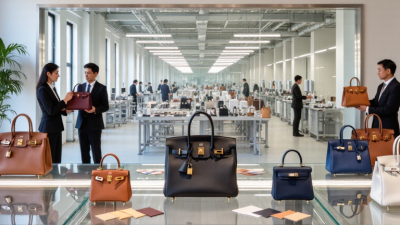
China Top 10 Custom Leather Bag Manufacturers for Global Buyers

China’s leather-goods supply base offers global buyers a wide range of production options, from small workshop runs to large-scale manufacturing. Yet a polished sample is only the beginning. For Custom Leather Bags, buyers also need to assess leather consistency, edge finishing, hardware, stitching, and a factory’s ability to repeat specifications across an order. One missed detail can show up on every bag.

The market is substantial. Grand View Research estimated the global leather goods market at USD 242.85 billion in 2023 and projected continued growth through 2030. That broad category includes more than bags, so it should not be mistaken for a custom-handbag sales forecast. Still, it signals the scale of competition and consumer demand. Fashion designer Coco Chanel’s often-cited advice is relevant: “Luxury must be comfortable, otherwise it is not luxury.” For buyers, comfort means more than a soft handle. It includes balanced straps, usable compartments, and hardware that does not catch.

This guide introduces ten China-based manufacturers for global buyers to evaluate. It focuses on practical sourcing questions: product specialization, customization options, order flexibility, quality controls, and export experience. Ask for material specifications, close-up construction photos, and a pre-production sample. Check how the factory handles revisions, too. A sample may be excellent; consistent bulk production is harder. No ranking can replace your own due diligence, and the best supplier depends on the product, budget, and order size. That is worth remembering.
China Top 10 Custom Leather Bag Manufacturers for Global Buyers

Understanding Custom Leather Bag Manufacturing in China

Custom leather bag manufacturing in China often begins with a design brief, material choices, and a technical pack. Specify dimensions, leather thickness, lining, stitching, hardware, and pocket placement. Vague instructions can create costly sample changes. A factory may source materials through separate suppliers, so confirm who checks consistency between batches. Ask for a physical sample before approving production. Details matter.

Tips: Send reference photos with measurements, not photos alone. Ask for leather swatches under natural light, and compare color, grain, and surface feel. Confirm the sample timeline, minimum order quantity, and inspection steps in writing. Keep one approved sample as a production reference.

A neat sample does not guarantee every finished bag will match it. Check stitching near handles, edge paint around corners, zipper movement, and the alignment of seams. These small points reveal more than a catalog image. Request photos from production and agree on how defects will be recorded and handled. Be realistic about trade-offs: softer leather may feel attractive but show marks sooner, while added reinforcement can change weight and cost. Specifications still need revision sometimes. That is normal, but changes should be documented before bulk work starts.

Criteria for Selecting Leading Chinese Manufacturers

Choosing a Chinese custom leather bag manufacturer takes more than comparing sample photos and quoted prices. Ask how the factory controls hide selection, cutting, stitching, edge finishing, and hardware installation. Request a sample made to your specification, then inspect strap balance, seam spacing, lining tension, and zipper movement. Small defects show up quickly. Confirm leather grade, thickness, color tolerance, and permitted substitutions in writing. A low quote may reflect different material assumptions. A polished showroom sample alone is not proof of consistent production.

Tips: Send a one-page specification with dimensions, leather reference, hardware finish, logo placement, and packaging needs. Ask for dated photos of a pilot run, not just catalog images. Check whether the lead time includes sample approval and possible rework.

Also assess communication and production planning. Can the supplier explain its inspection steps and share clear responses when a detail changes? Ask how rejected pieces are recorded and corrected. Where practical, arrange a factory visit or independent inspection before approving a large order. This adds cost and time, but may reveal gaps that photos miss. One limitation: even a detailed checklist cannot predict every production issue, so agree on a clear process for handling defects before production begins.

Profiles of Ten Custom Leather Bag Manufacturers

A useful supplier profile starts with what the factory can prove. These ten capability profiles help global buyers compare Chinese custom leather bag manufacturers without relying on promotional claims. They are not named company endorsements; verify each supplier’s workshop, samples, and production records directly.

One maker may specialize in structured briefcases, with firm edge paint and reinforced handles. Another may focus on soft tote bags and consistent panel cutting. A third may offer small-batch prototypes. A fourth may have dedicated stitching lines for larger orders. A fifth may show strong control of lining, pockets, and hardware placement. A sixth may provide clear leather grading and material traceability. Details matter.

A seventh profile might suit travel bags, where zippers and stress points need careful testing. An eighth may handle complex colors and custom embossing, but buyers should inspect a physical sample. A ninth may offer flexible packaging and export documentation. A tenth may emphasize repeat-order consistency through written specifications and inspection records. Ask about defect handling, sample approval, and realistic lead times. A polished showroom is not enough. Even capable factories can miss small details, so record measurements, leather finish, and stitching expectations before production.

China Top 10 Custom Leather Bag Manufacturers for Global Buyers - Profiles of Ten Custom Leather Bag Manufacturers

The entries below are anonymous capability profiles, not claims about specific or independently verified factories. Product capabilities, minimum order quantities, lead times, certifications, and production locations should be confirmed directly with each supplier.

Profile Typical Product Focus Materials to Discuss Customization Options Key Buyer Checks Details to Confirm Before Ordering
Profile 01
Fashion handbag specialist
Shoulder bags, top-handle bags, and seasonal fashion styles Full-grain, top-grain, corrected-grain, or suitable split leather; request a material specification Pattern, dimensions, lining, pockets, hardware finish, colors, and logo application Leather consistency, stitch quality, edge finishing, hardware durability, and sample approval process MOQ by style and color, sample cost, production schedule, and packaging specifications
Profile 02
Structured work-bag specialist
Briefcases, laptop bags, and document carriers Leather outer panels, textile or leather lining, and reinforcement materials Laptop compartment size, dividers, handles, shoulder straps, closures, and internal organization Load-bearing seams, handle attachment, zipper operation, dimensions, and protective padding Target device dimensions, finished-product measurements, test requirements, and carton packing
Profile 03
Small leather goods and bag specialist
Compact crossbody bags, pouches, and coordinated accessories Cowhide, lambskin, or other specified leather types, subject to availability and intended use Compact sizing, card slots, zip compartments, strap length, colors, and coordinated sets Cutting accuracy, small-part stitching, zipper quality, and color matching across products Component sourcing, color minimums, logo method, and whether accessories can share one order
Profile 04
Travel and duffel-bag specialist
Weekender bags, duffels, and travel holdalls Leather panels combined with lining, webbing, reinforcement, and metal or plastic fittings Capacity, compartments, handles, detachable straps, luggage sleeves, and closure choices Seam strength, strap anchoring, usable capacity, fitting security, and finished weight Dimensions, expected use, packing limits, hardware specification, and inspection criteria
Profile 05
Private-label OEM-focused supplier
Buyer-designed bags produced to an agreed specification Leather and lining selected against the buyer’s approved bill of materials Custom patterns, labels, hangtags, packaging, hardware, and production colorways Sample-to-production consistency, specification control, change approval, and quality records Tooling or development charges, MOQ, intellectual-property handling, and inspection arrangements
Profile 06
Small-batch development workshop
Prototype runs, limited collections, and design-development samples Available leather options confirmed against the requested color, thickness, and finish Pattern refinement, sample revisions, small design changes, and selected custom details Sampling capability, revision limits, material availability, and repeatability at larger volumes Sample fees, sample timeline, production MOQ, and how approved changes are documented
Profile 07
Heritage and craft-style bag specialist
Totes, satchels, and designs featuring visible construction details Vegetable-tanned or other specified leather; tanning method and finish should be verified Patina-oriented finishes, hand-finished edges, contrast stitching, and selected hardware Natural hide variation, finish consistency, edge treatment, and care-label accuracy Acceptable variation, leather origin documentation, finish samples, and care instructions
Profile 08
Mixed-material bag specialist
Leather bags combined with canvas, recycled textiles, or other specified materials Leather paired with buyer-approved fabrics, reinforcements, linings, and trims Material blocking, panel combinations, pocket layouts, colors, and trim selection Material compatibility, seam construction, color transfer risk, and care requirements Material test reports where required, supplier documentation, and responsibility for sourced components
Profile 09
Compliance-focused export supplier
Custom bags prepared for buyer-specific export and retail requirements Specified leather and components supported by documents relevant to the destination market Retail labels, packaging marks, product documentation, and buyer-specific specifications Document validity, material traceability, restricted-substance requirements, and audit scope Applicable destination rules, test methods, certificates, audit reports, and document issuer
Profile 10
Multi-category bag producer
Several bag categories, such as totes, backpacks, crossbody bags, and travel bags Material choices vary by style; confirm leather grade, thickness, finish, and lining for each item Multiple styles, shared colors, coordinated branding, and consolidated packaging Capacity for each production line, subcontracting disclosure, schedule coordination, and quality control Factory location, production responsibility, per-style MOQ, shipment plan, and inspection scope

For comparable quotations, provide the same product drawings, measurements, leather specification, color references, hardware details, order quantity, packaging requirements, destination market, and required delivery date to every supplier.

Comparing Product, Production, and Customization Capabilities

Comparing China’s custom leather bag manufacturers means looking beyond polished samples. Check leather grade, thickness, lining, edge paint, stitching density, hardware finish, and how these details hold up after repeated use. Grand View Research estimated the global leather goods market at USD 468.5 billion in 2023, covering more than bags alone. The figure signals a large, varied market—not guaranteed demand for any particular design. Ask each supplier for material specifications and a production sample. Feel the seams. Inspect the corners.

Production capability matters as much as product quality. Compare minimum order quantities, monthly capacity, sample lead times, defect checks, and how clearly factories report delays. McKinsey’s 2021 personalization research found that 71% of consumers expect personalized interactions. For bag buyers, this can mean custom dimensions, colors, pockets, logos, or packaging. Yet more options can complicate production. Request a written specification sheet, then confirm one change at a time. A sample may look excellent while bulk consistency remains uncertain.

Tips: Ask for photos of in-line inspections, not only finished products. Confirm who approves substitutions if a material becomes unavailable. Test a small order first. It takes longer, but can expose weak communication before a larger commitment.

How Global Buyers Can Source Leather Bags from China

Sourcing custom leather bags from China works best when buyers turn ideas into measurable specifications. Share drawings, dimensions, leather type, lining, hardware finish, stitching color, and logo placement. Ask suppliers to confirm material details in writing; “genuine leather” alone may not describe the grade or finish clearly. Request close-up photos of edges, seams, and hardware, then review a physical sample before approving bulk production. Small details matter.

Check the supplier’s workshop capacity, sample process, quality checks, and export experience. A video call can help clarify who handles cutting, stitching, and final inspection. Set acceptance criteria for dimensions, color variation, and packaging before production begins. Keep a signed sample or approved reference photos for comparison. A polished sample can still hide production gaps, so consider an independent inspection when order value or risk justifies the cost. Build in time for corrections; communication can be imperfect, even with clear documents.

Tips: Send one annotated reference sheet, not scattered messages. Confirm lead time, payment milestones, sample charges, and shipping terms in writing. Ask for production photos at key stages, but treat them as progress checks, not proof of final quality. Keep a small tolerance for handmade variation, and define what is unacceptable.

China Leather Bag Sourcing: Typical Lead-Time Planning

Indicative days for key steps when sourcing custom leather bags. Actual timelines vary by design complexity, order quantity, supplier capacity, destination, and shipping conditions.

Planning estimates: sample development, 7–14 days; bulk production, 30–60 days; inspection, 2–5 days; sea freight to the US West Coast, approximately 15–25 days. Confirm timelines with suppliers and freight providers before placing an order.

This website uses cookies to ensure you get the best experience on our website