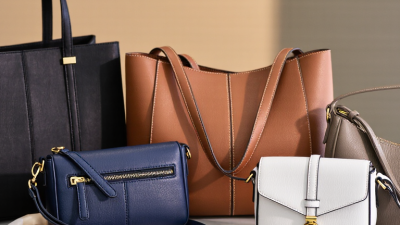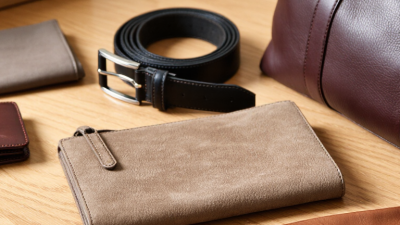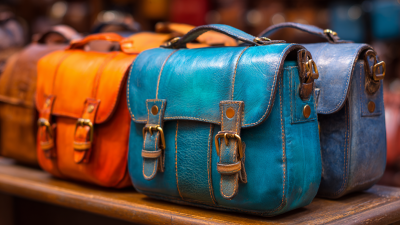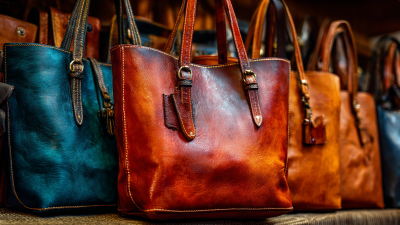

How to Source High Quality Leather Handbags in 2026?

Sourcing High Quality Leather Handbags in 2026 takes more than comparing prices and polished product photos. Buyers need to assess materials, construction, supplier reliability, and the details that customers notice after months of use. A bag may look convincing under bright showroom lights. Check it in natural light, too.

Start with the leather itself. Ask suppliers what type of leather they use, how it is finished, and whether its origin can be documented. Request samples before placing a large order. Run your fingers along the surface, inspect the edges, and open and close every zipper. Small flaws matter. Uneven stitching near a handle, a stiff lining, or weak hardware can turn a promising sample into a costly return. Specifications should describe measurable details, including dimensions, lining, hardware, and acceptable tolerances.

A reliable sourcing process also looks beyond the sample. Confirm production capacity, lead times, quality-control steps, and how the supplier handles defects. Request clear answers in writing, then compare them with what you observe during sampling. Certifications and audit reports can offer useful evidence, but they should not replace direct checks. No single document proves that every bag will meet your standards.

There is a practical tension here: stronger quality controls may increase costs, while the cheapest quote can hide inconsistent finishing. Set inspection criteria before production begins, and agree on how rejected goods will be handled. Still, sourcing is never perfectly predictable. Suppliers change, materials vary, and a sample cannot reveal everything. Build room for review into your plan, and be willing to revise it when the evidence changes.
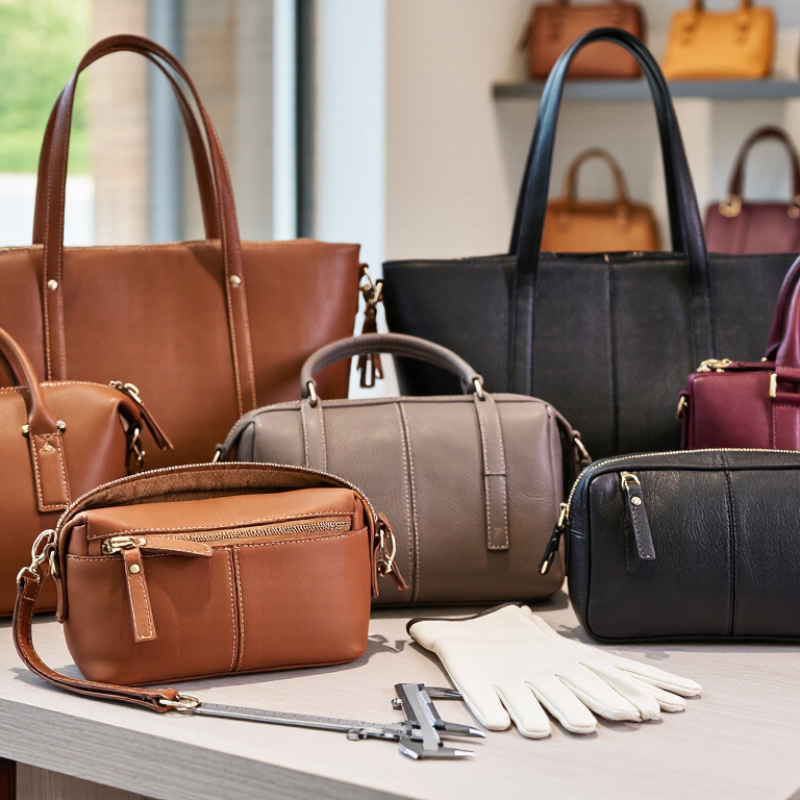
How to Source High Quality Leather Handbags in 2026?

Defining Quality Standards for Leather Handbags in 2026

How to Source High Quality Leather Handbags in 2026?

Quality in 2026 starts with measurable leather standards, not attractive showroom lighting. Leather Naturally reports that more than 1.4 billion hides and skins enter production annually. This scale makes origin, grading, and traceability essential. Ask suppliers for hide origin, tannery location, and processing records. Random claims are not enough.

Inspect the leather under daylight. Full-grain leather should show natural pores, controlled grain variation, and consistent thickness. Excessive uniformity may indicate heavy surface correction. Request ISO 2589 thickness testing and ISO 2418 sampling procedures.

For color stability, ISO 11640 testing can assess rubbing resistance. Chromium VI testing should also be considered, especially for finished leather. The European Chemicals Agency identifies strict limits for chromium VI in leather articles touching skin.

Hardware needs testing too. Check zipper cycling, handle attachment, edge paint flexibility, and stitch density. A practical sample should survive repeated opening, lifting, and moderate abrasion. According to the 2024 Textile Exchange Materials Market Report, traceability remains a major challenge across material supply chains. That warning matters. A beautiful sample can hide weak documentation.

Do not trust one inspection.

I would also compare three production batches. Small differences often reveal unstable tanning or finishing. My own sourcing rule would be simple: reject unclear records, even when the price looks attractive. That rule can slow purchasing. It may also prevent expensive quality failures later. Some specifications still need revision after real-use testing. Industry reports guide decisions, but actual wear reveals the uncomfortable gaps.

Identifying Reliable Leather Handbag Suppliers and Manufacturers

Finding a reliable leather handbag supplier in 2026 requires more than comparing online prices. Start with a short list of manufacturers that show clear factory details, production experience, and material information. Ask where the leather comes from, how it is treated, and whether each batch can be traced. Vague answers usually signal weak quality control.

Request physical samples before discussing a large order. Inspect the leather grain, edge paint, stitching, lining, hardware, and zipper movement under normal use. Check the bag after bending the handles and opening it repeatedly. Small defects often appear during these simple tests. Do not trust polished photographs alone.

A dependable manufacturer should explain minimum order quantities, lead times, inspection procedures, and packaging standards. Review business licenses, material test reports, factory audit records, and export documentation where applicable. Confirm that workplace practices and product materials meet the regulations of your target market. Communication matters too. A supplier who reports delays early is safer than one who promises everything instantly.

I once focused too heavily on sample appearance and ignored production consistency. That was a costly lesson. Ask for samples from different production runs, not only one perfect piece. Compare color, thickness, smell, and measurements. A written quality agreement can reduce misunderstandings, but it cannot replace regular inspections. Build trust slowly, keep records, and leave room for honest questions.

Evaluating Leather Materials, Craftsmanship, and Product Details

A high-quality leather handbag begins with a material specification, not a supplier’s adjective. Ask for the leather type, tannery origin, thickness, and a consistent sample from the production lot. The Leather Working Group’s 2023 Impact Report puts its audited facilities at roughly a quarter of global leather production. That is useful supply-chain context, but certification alone cannot predict how a bag will age. Check the grain under natural light: pores should look plausible, while coated surfaces should not feel stiff or plasticky.

Craftsmanship shows at stress points. Inspect handle attachments, corner seams, and zipper ends; loose threads or uneven stitch spacing can signal rushed assembly. Request test records where available. ISO 11640 covers color fastness to rubbing, and ISO 11644 addresses adhesion of leather finishes. These tests do not assess every aspect of a handbag, but they offer measurable checks beyond appearance. Ask how the lining, hardware, and edge paint perform after repeated use. A glossy finish may photograph well. It can also hide flaws.

Tips: Feel the edges. Look inside, too. Rub a pale cloth gently over a discreet area, and inspect the seam allowance and pocket corners. Compare the sample with the approved specification, not just a showroom piece. I would still request a second sample; leather varies, and one perfect swatch proves very little. A supplier who documents variation is often more useful than one promising uniformity.

Verifying Supplier Credentials, Samples, Pricing, and Compliance

When sourcing leather handbags in 2026, verify the supplier beyond a polished catalog. Request a registered business name, factory address, production capacity, and recent references. Check whether certificates are current and confirm them with the issuing organization. A video call can help you see cutting tables, stitching stations, and finished-goods storage. Still, one call is not an audit.

Order samples before discussing large quantities. Inspect the leather under natural light, then check its grain, smell, edge paint, and color consistency. Open and close each zipper repeatedly. Pull gently on handles and examine the stitches near their attachment points. Record defects with clear photos and agree on written sample standards. Small flaws can be easy to excuse when a sample looks attractive.

Compare quotes line by line. Ask what leather grade, lining, hardware, packaging, and inspection services are included. A low unit price may exclude costs that appear later. Request a breakdown of tooling, shipping, payment terms, and minimum order quantities. Confirm which product-safety, chemical, labeling, and import requirements apply in your destination market; requirements differ. Keep relevant test reports and declarations tied to the exact materials and product version. I have learned that paperwork can look complete while referring to an older sample. Check dates and details.

Managing Orders, Quality Control, Shipping, and Long-Term Partnerships

Set leather grade, color, thickness, hardware finish, stitching tolerance, and sample approval in every purchase order. Keep a signed reference sample beside the production line. Small checks matter. Confirm quantities, delivery windows, and defect limits before deposits; vague specifications can become costly disputes. McKinsey Global Institute’s 2020 report, Risk, Resilience, and Rebalancing in Global Value Chains, estimates that the average company faces a disruption lasting at least a month every 3.7 years. Build buffer time into material approvals, not just final assembly.

Inspect incoming leather, pre-production pieces, and finished bags. Check shade variation in daylight, edge-paint adhesion, zipper movement, handle strength, and seam alignment. Photograph defects and record their batches. Do not approve a shipment from one attractive sample. Easy to miss. For shipping, use the World Bank’s 2023 Logistics Performance Index as one reference; it assesses customs, infrastructure, tracking, and timeliness. Share carton sizes, weights, shipping marks, and booking deadlines early, then request milestone updates. A low freight quote can cost more if delays disrupt a launch.

Track partners with a quarterly scorecard covering defect rates, response times, on-time delivery, and corrective actions. Leave room for discussion: a score may hide a material shortage or a buyer’s late change. Trust helps. Still, document revisions, approve them in writing, and pay against agreed milestones. Long-term sourcing is not about demanding perfection; it is about spotting recurring problems and fixing them together.

This website uses cookies to ensure you get the best experience on our website