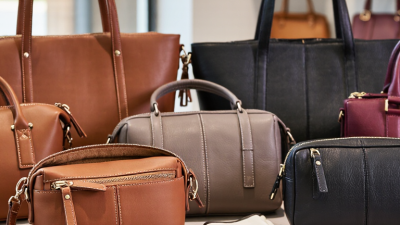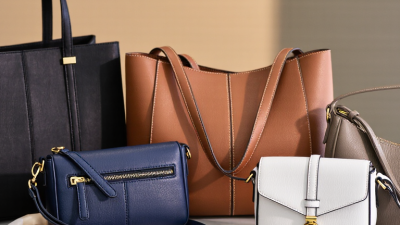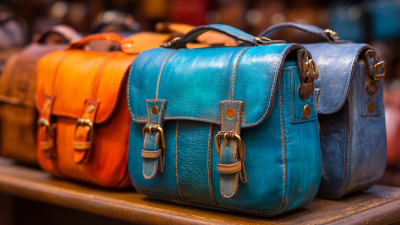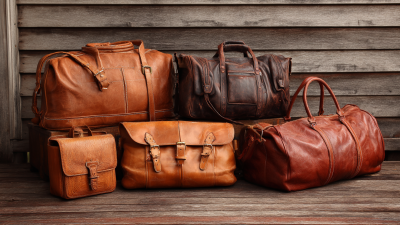
China Top 10 Leather Handbag Manufacturers for Global Buyers

China’s leather handbag industry serves brands, retailers, and private-label buyers across many international markets. This guide introduces ten manufacturers that may support different sourcing needs, from small sample runs to larger production programs. The focus is practical: material selection, design development, manufacturing capacity, quality control, and export communication.

Reliable sourcing requires more than attractive product photos. Buyers should examine leather certificates, stitching density, edge painting, hardware strength, lining quality, and packaging standards. A factory visit can reveal details that catalogs often hide, such as uneven seams or crowded production lines. Sample approval matters.

The selected manufacturers are discussed through an E-E-A-T-based lens, combining industry experience, technical knowledge, supplier credibility, and available business evidence. Their capabilities may differ considerably. Some may excel at full-grain leather, while others may offer flexible customization or competitive minimum order quantities. Claims should still be verified directly.

No ranking is permanent. Market conditions change. A supplier with strong craftsmanship may have limited production capacity during peak seasons. Another may communicate well but require closer inspection of finishing details. Buyers should request recent samples, confirm production timelines, review quality procedures, and clarify international shipping responsibilities before placing orders. Ethical material sourcing and lawful trade practices remain essential.

This overview is designed to help global buyers compare China’s Leather Handbags manufacturers more carefully. It does not replace independent due diligence. Small details often decide the final result.
China Top 10 Leather Handbag Manufacturers for Global Buyers

What Defines a Leading Leather Handbag Manufacturer

What Defines a Leading Leather Handbag Manufacturer

A leading leather handbag manufacturer offers more than attractive samples. It controls quality from hide selection to final packing. Experienced teams check grain, thickness, color, and surface marks before cutting. Each production order should include approved samples, clear measurements, and documented material specifications. Small details matter. Uneven edge paint can reduce a bag’s durability and visual value.

Reliable manufacturers also provide traceable production records. Buyers should be able to review material sources, workshop procedures, and inspection results. Skilled technicians test stitching strength, hardware attachment, lining stability, and strap flexibility. A responsible factory follows applicable labor, environmental, and product safety requirements. It also communicates realistic lead times instead of promising everything quickly. That honesty protects both sides.

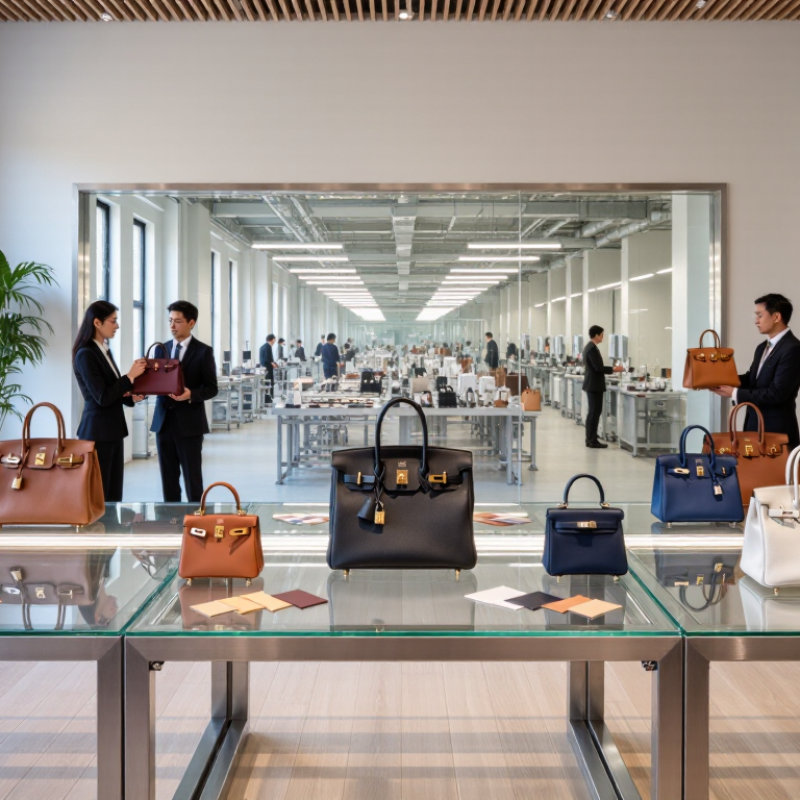
Strong manufacturers understand development, not only mass production. They suggest practical changes when a design may cause weak seams or difficult assembly. Their sampling process should allow measured revisions, not vague verbal promises. Still, no factory is flawless. A missed stitch or slight color variation may appear during production. The real test is how clearly the team records the problem and corrects it. Buyers should examine factory capacity, quality systems, communication habits, and after-sales support before choosing among China’s top manufacturers. A polished showroom proves very little. Consistent evidence matters more.

How the Top 10 Manufacturers Were Selected

Selecting the top 10 leather handbag manufacturers requires more than reviewing polished websites. We examined manufacturing experience, workshop capability, product consistency, and export readiness. Factory visits, video audits, and sample orders helped verify practical claims. Photos alone were not enough.

We checked leather sourcing records, cutting accuracy, stitching density, edge painting, hardware attachment, and lining strength. Sample bags were inspected under natural light and after repeated opening and closing. We also reviewed quality-control procedures, production capacity, lead times, packaging standards, and communication speed. Clear documentation mattered. So did honest answers.

Buyer feedback added another layer of evidence. We looked for repeated comments about defects, late shipments, and corrective action. A manufacturer’s response to a mistake revealed more than a perfect sample. That point deserves attention. No factory performs flawlessly every season. Our selection therefore reflects current evidence, not permanent status. Capacity can change, staff can change, and material availability can affect results. We also considered whether each manufacturer could support small development runs before larger orders. This reduced assumptions, although it could not remove every uncertainty.

Profiles of the Top 10 Leather Handbag Manufacturers

China Top 10 Leather Handbag Manufacturers for Global Buyers

The ten profiles represent different manufacturing strengths across China’s leather handbag sector. One focuses on premium full-grain leather and hand-painted edges. Another supports large orders with automated cutting and standardized stitching. Several specialize in small batches, helping buyers test new designs before scaling production. Two profiles combine leather sourcing, hardware development, and final assembly under one roof. This can reduce sampling delays.

Grand View Research estimated the global handbags market at about US$73.32 billion in 2023. Its report also projects steady growth through 2030. These figures explain the demand for flexible Chinese suppliers. The strongest profiles show clear factory addresses, sample rooms, inspection records, and export experience. Buyers should request production photos, material specifications, and recent audit documents. Factory claims alone are not enough.

The remaining profiles emphasize vegetable-tanned leather, recycled linings, lightweight travel bags, or structured office designs. Some offer low minimum order quantities, while others require larger commitments for custom molds. McKinsey’s State of Fashion 2025 describes fashion growth as modest, making cost control increasingly important. Reliable manufacturers therefore disclose lead times, defect policies, and packaging details. Check certification status independently. No profile is flawless. A supplier may deliver beautiful samples but struggle with color consistency during bulk production. A physical pre-production inspection remains practical, even when communication seems excellent.

Comparing Products, Customization, Quality, and Production Capacity

China’s top ten leather handbag manufacturers serve different buyer priorities, from small trial orders to large seasonal programs. Product comparison should begin with leather selection, not catalog photos. Full-grain leather offers visible grain and stronger aging. Corrected leather provides uniform color and easier cost control. Buyers should request hide samples, lining swatches, zipper samples, and a physical prototype.

Customization also reveals a factory’s practical expertise. Ask about pattern development, logo placement, hardware finishes, packaging, and color matching. A capable team confirms tolerances in writing. Handle length, pocket position, and stitching density should appear on the approved specification sheet.

Small disagreements can create hundreds of inconsistent bags. I have seen attractive samples fail because the handle felt stiff or the lining pulled at the corners.

Quality depends on process discipline. Check leather inspection, cutting accuracy, seam strength, edge finishing, and final cleaning. Ask for inspection records, defect classifications, and pre-shipment photographs. A useful audit includes random carton checks, not only showroom samples. Production capacity matters just as much. Confirm monthly output, peak-season staffing, machine availability, and subcontracting controls. A factory may quote 5,000 bags monthly, yet struggle with 1,500 customized pieces under a tight deadline. That gap deserves attention. Capacity claims should be tested through a pilot order and measurable delivery milestones.

Key Factors for Global Buyers Before Choosing a Supplier

Choosing among China’s top leather handbag manufacturers requires more than comparing catalog photos and quoted prices. Bain-Altagamma’s 2024 luxury market study valued global personal luxury goods at about €1.48 trillion, down 2% year on year. Slower demand makes supplier flexibility essential. Ask for production capacity, minimum order quantity, lead times, and documented defect rates. A factory should explain how it controls leather thickness, color consistency, edge paint, stitching, and hardware quality.

Material traceability deserves equal attention. The OECD’s Due Diligence Guidance for Responsible Supply Chains recommends documented risk identification and corrective action. Request hide origin records, material test reports, and factory audit evidence. Check colorfastness, seam strength, abrasion resistance, and odor before approving bulk production. Physical samples matter. Photos hide weak corners.

Do not trust one perfect sample.

Approve a pre-production sample, then inspect random units from later batches. Compare grain, lining tension, logo placement, and zipper movement under normal handling. ISO 9001 certification may indicate structured quality systems, but it does not guarantee excellent handbags. Verify the certificate’s scope and recent audit status. Also review payment terms, packaging protection, shipping experience, and communication speed. A low quotation can conceal thinner leather, higher rejection rates, or expensive rework. I would also ask how the supplier handles mistakes. Their answer often reveals more than a polished showroom. My own judgment can still be wrong, especially when early samples look unusually flawless.

This website uses cookies to ensure you get the best experience on our website