Why Are Premium Leather Goods Worth Buying?

Premium Leather Goods can cost far more than mass-market alternatives, so the price deserves careful scrutiny. What does the extra money buy? Often, it pays for better-selected hides, skilled cutting, precise stitching, and hardware designed to withstand regular use. The difference may show at the edges: a cleanly finished seam, a smooth zipper pull, or leather that softens rather than flakes. Small details matter.

Leather scientist and industry consultant Dr. Mike Redwood has written extensively about leather’s material qualities. A fair summary of his perspective—not a verbatim quotation—is: “Judge leather by its performance and aging, not appearance alone.” That idea offers a useful starting point when weighing Premium Leather Goods. Construction, repair options, and the maker’s material disclosures can matter as much as a polished showroom finish.

Still, premium does not mean perfect. Natural hides may show marks, and even carefully made goods can scratch, stain, or need maintenance. Some products carry a high price without offering proportionate durability. Look closely.

This outline explores what makes a leather item genuinely well made, how it may change with use, and when the investment makes sense. A well-chosen bag or wallet can serve for years, but only if its design fits real daily habits. That part is personal, and easy to overlook.
Why Are Premium Leather Goods Worth Buying?

What Defines Premium Leather Goods?

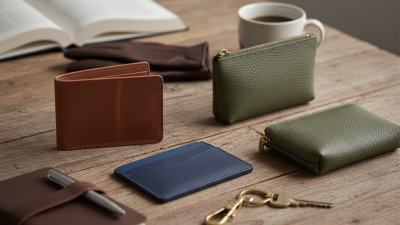
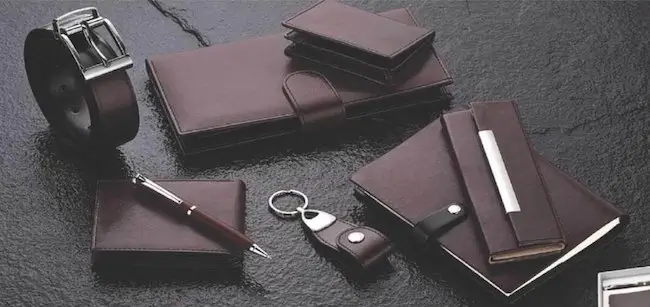
Premium leather goods are defined by material, construction, and useful design—not price alone. Quality leather may show natural grain and small variations in color or texture. A perfectly uniform surface is not always a sign of better leather; coatings and finishes affect appearance. Different finishes suit different needs. Look for clear material descriptions and a surface that feels supple rather than brittle or plasticky. Not always soft, though: some durable leathers feel firm at first.

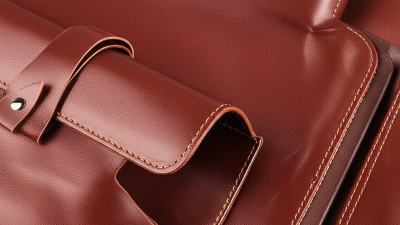
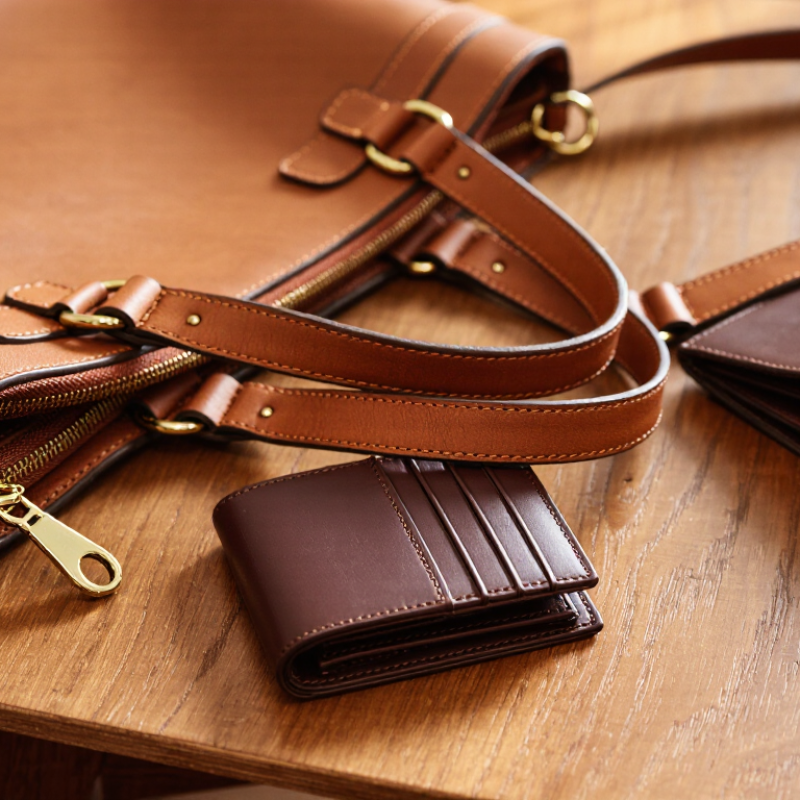
Construction matters just as much. Check whether stitching is even, edges are neatly finished, and stress points are reinforced. On a bag, examine where handles meet the body. On a wallet, look at the folded edges and card slots. Hardware should move smoothly and feel secure. A small natural mark can be harmless; loose threads or uneven seams deserve attention. Even careful inspection has limits: a new item cannot show exactly how it will age. That is worth remembering.

Tips: Gently flex an inconspicuous area and check whether it bends without sharp cracking. Ask how to care for the finish, then compare that advice with the product details. Consider the item’s weight, storage, and daily use—not just its first impression.

How Are Premium Leather Goods Made?

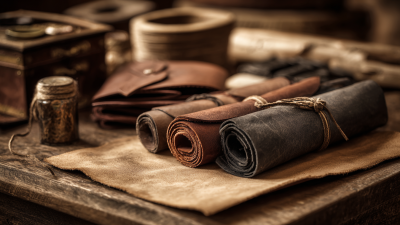
Premium leather goods begin with careful material selection. Makers inspect each hide for thickness, grain, scars, and areas that may stretch. Natural marks are not always flaws; their position can affect how a piece looks and wears. Tanning methods vary with the hide and the intended use. There is no single recipe.

After the leather is conditioned, a craftsperson cuts pattern pieces around its natural features. Accurate cutting reduces waste and helps panels fit together. Edges are often thinned where layers meet, then folded or sealed to limit fraying. Stitching follows: holes are spaced evenly, and thread tension is checked so seams lie flat without puckering. Small details matter. Hardware and linings are fitted, then the finished item is inspected for loose threads, uneven edges, and weak joins.

Some makers complete parts of this work by hand; others use machines for consistent cutting or stitching. Neither approach alone guarantees quality. I have seen a carefully finished edge look appealing but wear poorly when used daily, so construction should be judged alongside intended use. Leather also changes with handling, light, and moisture. Good workmanship supports years of use, but it cannot prevent every scratch or mark.

Which Materials and Craftsmanship Set Them Apart?

Premium leather goods stand apart less through a polished label than through material choice and careful construction. Full-grain leather keeps the outer surface intact, so natural pores and small marks remain visible. These marks are not automatically flaws; they may reflect the hide’s natural character. A dense, supple feel and clean edges can suggest thoughtful selection, though appearance alone cannot prove quality. Feel matters.

At the seams, look for evenly spaced stitches, secure thread ends, and corners that do not bulge. Turn the item over. A well-fitted lining should sit flat, while zippers and clasps should move without catching. Edge finishing matters too: smooth, sealed edges are generally less exposed to fraying than rough, unfinished cuts. Craft quality is cumulative. It is easy to overvalue one attractive detail and miss a weak seam.

Tips: Check the item in natural light, then handle its closures and edges. Ask how to care for the specific leather, since finishes vary. A small scar may be harmless; uneven construction deserves a closer look.

How Do Premium Leather Goods Age and Perform?

Premium leather changes through use, not just age. On a frequently carried bag, handles darken where skin oils meet the surface, while corners soften and collect small marks. This patina can look warm and personal. It is not automatically beautiful. Scratches, water spots, and uneven fading may remain visible, especially on lightly finished leather.

Well-made leather often bends without cracking and holds its shape when supported by sound construction. Yet leather quality alone cannot guarantee long life. Stitching, edge treatment, lining, hardware, and how an item is loaded all matter. A heavy laptop can stretch a soft tote; damp storage may stiffen or stain the hide. Small details matter.

Performance depends on matching the leather to daily use. Firmer, coated finishes often resist light scuffs better, but may show less natural texture. Softer, minimally finished leather feels supple, though it needs gentler handling. Wipe dust with a dry, soft cloth, and let wet leather air-dry away from direct heat. Don’t soak it. Conditioner may help some leathers, but excess can darken the surface; test a hidden area first and follow care guidance. A premium piece may age gracefully, but it is not maintenance-free or indestructible. Before buying, consider whether visible marks would bother you. Sometimes, a blemish is just a stain you wish you hadn’t made.

What Makes Them a Worthwhile Long-Term Purchase?

A premium leather item can justify its price through years of useful service, not its label. Look for even stitching, reinforced corners, smooth edges, and hardware that moves without catching. A firm handle and clean lining can also reveal careful construction. But price alone proves little. Leather quality, tanning, lining, and workmanship vary widely, so inspect the details before buying. WRAP’s 2012 Valuing Our Clothes report estimated that extending a garment’s life by nine months could reduce its carbon, water, and waste footprints by 20–30%. The study covers clothing broadly, not leather goods specifically. Still, it supports a practical idea: longer use can lower impact per wear.

Care matters. Wipe spills promptly, keep the piece dry, and condition it only as recommended; too much conditioner can soften its structure. The 2024 ThredUp Resale Report, produced with GlobalData, said the U.S. secondhand apparel market grew 14% in 2023. That figure is not specific to leather, and resale value is never guaranteed. Yet a well-maintained bag or wallet may remain useful to another owner. Compare the purchase cost with the years you realistically expect to use it, and check whether repairs are available. A scuffed corner may be fixable. A cracked coating often is not. Sometimes the smarter choice is the simpler one, with a comfortable grip, useful compartments, and replaceable hardware.

Why Premium Leather Goods Can Be Worth Buying

Illustrative cost-per-use comparison for two bags used twice a week. The calculation divides purchase price by estimated uses over the bag’s service life.

Scenario assumptions: premium bag, $300 and 8 years; lower-priced bag, $80 and 2 years; both used twice weekly (104 uses per year). Cost per use is approximately $0.36 and $0.38, respectively. These are illustrative assumptions, not market-wide prices or verified product lifetimes; actual value depends on price, care, and how long an item is used.

This website uses cookies to ensure you get the best experience on our website